
Understanding the Role of Coil Springs in a Vehicle's Suspension
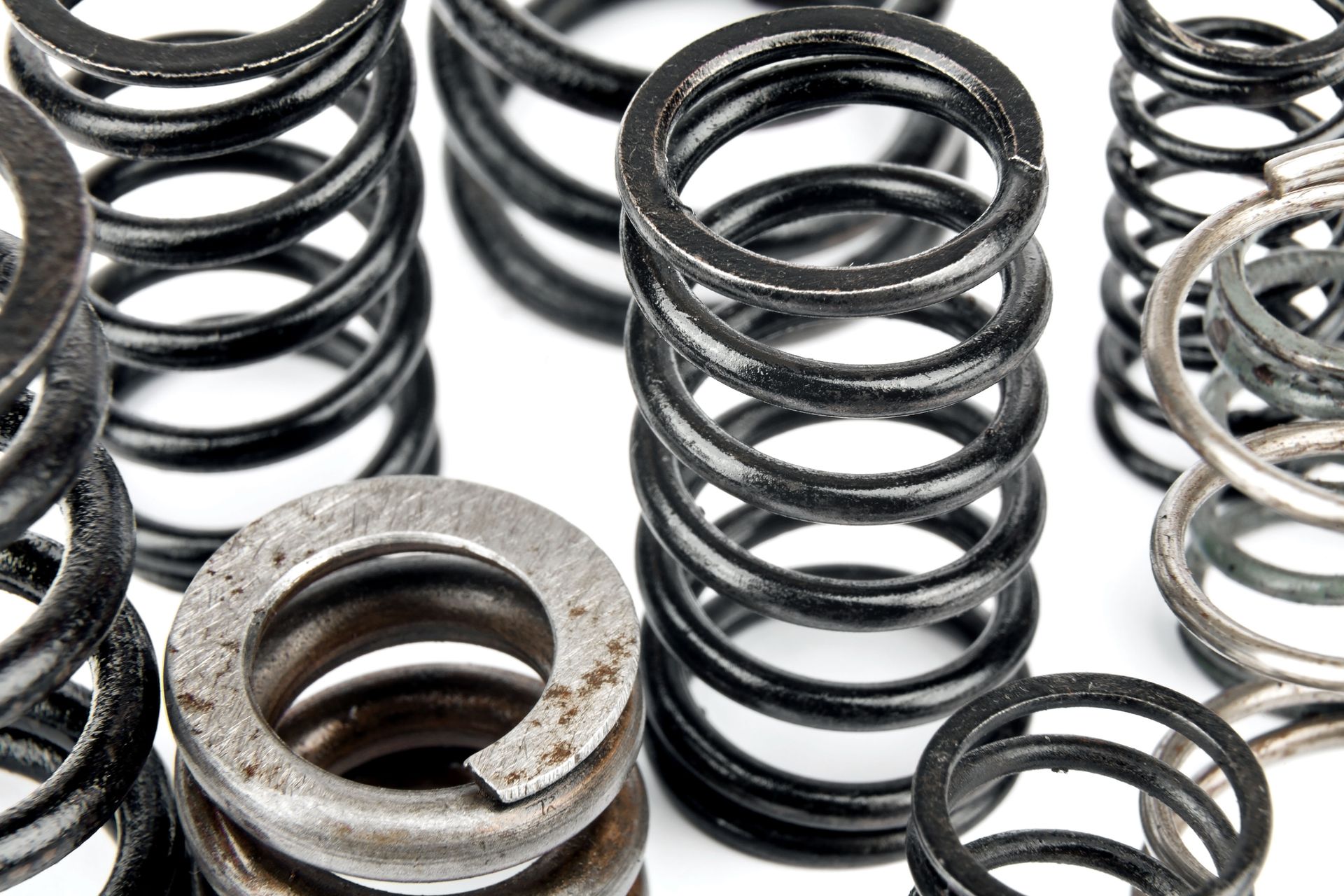
Every time a vehicle navigates a bumpy road, merges onto a highway, or takes a sharp turn, a complex network of components works tirelessly to keep the ride smooth and the driver in control. At the heart of this intricate setup is the suspension system, a vital element responsible for maximizing the friction between the tires and the road surface. Without a properly functioning suspension, driving would be an incredibly jarring experience, and maintaining absolute control over the vehicle would be nearly impossible. Among the various parts that make up this essential system, coil springs stand out as a fundamental piece of the puzzle. These helical structures are designed to compress and expand, absorbing the impact of uneven terrain while supporting the massive weight of the chassis. A deeper look into how these parts operate reveals just how critical they are to overall automotive safety, passenger comfort, and reliable everyday performance.
Exploring the Anatomy of a Suspension System
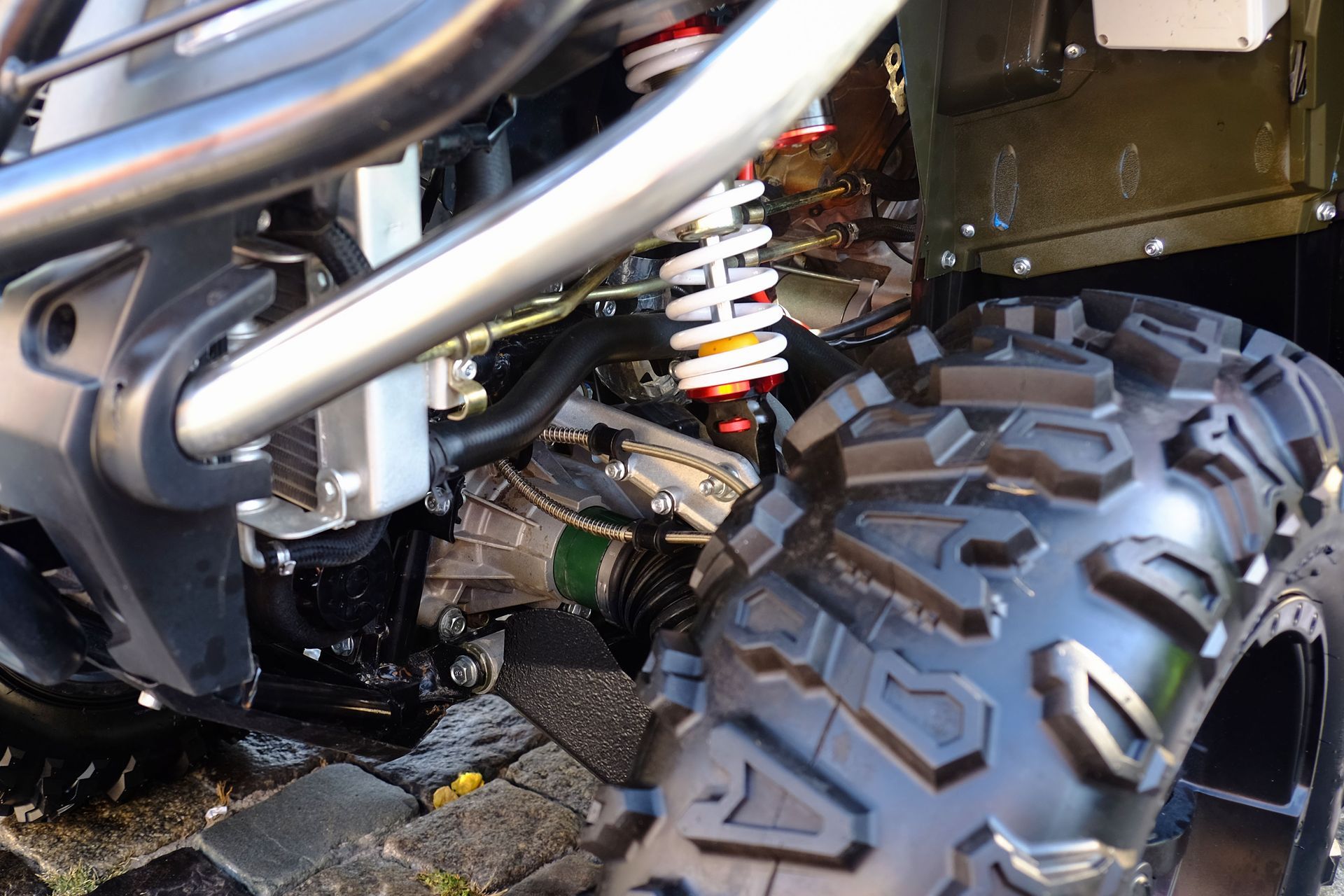
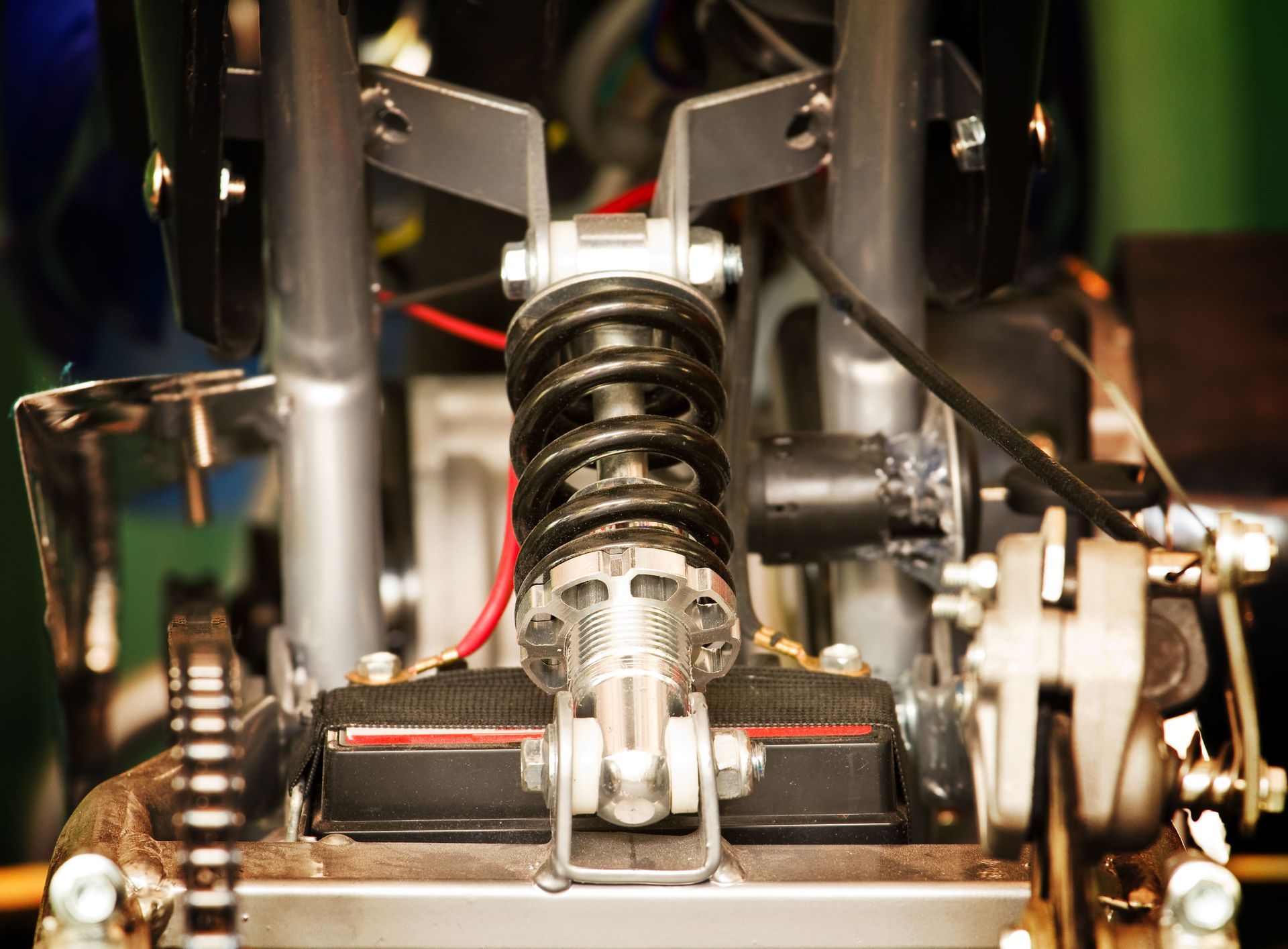
A vehicle suspension is a highly coordinated framework of linkages, shock absorbers, and elastic elements that connect the main body to the wheels. This framework exists to isolate the cabin from the physical harshness of the road. To achieve this isolation, the design relies on parts that can flex under pressure and then return to their original shape. According to AutoGuru, suspension springs are found at each of the four corners of every car. This strategic placement ensures that every single wheel can articulate independently or dependently, depending on the specific mechanical design, to address road imperfections. By supporting the vehicle at all contact points, the system guarantees a balanced distribution of weight. The synergy between the flexible parts and the rigid linkages creates a dynamic environment where sudden impacts are managed smoothly. When the vehicle encounters a dip or a bump, the elastic components compress to take the brunt of the force, while the shock absorbers regulate the speed of that compression and subsequent rebound. This carefully orchestrated mechanical dance is what allows passengers to enjoy a peaceful cabin environment, regardless of the terrain outside.
Understanding the Mechanics of Energy Absorption
The primary duty of the suspension is to manage the kinetic energy generated when tires strike obstacles. As the vehicle travels over uneven pavement, the upward force from the road must be intercepted before it transfers directly into the passenger compartment. This is precisely where coil springs perform their most critical function. Because they are constructed from high-strength steel wound into a spiral shape, they possess the unique ability to store large amounts of mechanical energy momentarily. When a tire hits a raised obstacle, the upward motion forces the spiral to compress, effectively swallowing the violent jolt. Once the obstacle is cleared, the stored energy is released, and the spiral extends back to its resting length, pushing the tire firmly back down onto the pavement. This continuous cycle of compression and extension happens countless times during even the shortest of commutes. Without this responsive energy absorption, the cabin would violently launch upward with every single bump, leading to severe discomfort and potential loss of steering control. The elasticity of these components is carefully calibrated by engineers to match the specific weight and intended use of the vehicle, ensuring that the absorption process always feels seamless and precisely controlled for the driver.
Preserving the Optimal Ride Height of a Vehicle
Beyond simply smoothing out the ride, suspension components are tasked with holding the entire chassis at a specific distance from the ground. This designated clearance is known as the ride height, and maintaining it is essential for aerodynamic efficiency, proper suspension geometry, and underneath clearance. The heavy lifting required to suspend the heavy metal frame, engine, and passengers falls largely on the coil springs. These robust parts are manufactured with a specific spring rate, which dictates exactly how much weight they can bear before compressing to an undesirable level. By resisting the downward pull of gravity, they keep the undercarriage safely elevated above potential road hazards and debris. If a vehicle carries a heavy load of cargo or passengers, these same coil springs must endure the added strain without allowing the chassis to bottom out. When the ride height is perfectly maintained, the entire steering and alignment system functions exactly as the manufacturer intended. This proper alignment prevents premature tire wear and ensures that the vehicle slices through the air with minimal drag. The consistent support provided by these structural pillars is absolutely necessary for maintaining the long-term integrity of the vehicle frame and ensuring safe travels on varied road conditions.
Improving the Overall Handling and Stability
Ride comfort and height support are crucial, but the suspension also plays an indispensable role in how the vehicle handles dynamic driving maneuvers. When a driver steers into a sharp curve, the laws of physics push the vehicle's weight toward the outside of the turn. This outward force causes the body to lean, a phenomenon known as body roll. The suspension must counter this roll to keep the vehicle planted safely on the pavement. The structural resistance provided by coil springs is a major factor in minimizing this dangerous body lean. By pushing back against the shifting weight, they help distribute the load more evenly across all the tires, maintaining vital traction. Similarly, when the driver applies the brakes forcefully, the weight of the vehicle shifts dramatically toward the front. The front suspension must rapidly absorb this forward plunge to prevent the nose of the car from diving toward the road. During aggressive acceleration, the opposite happens, and the rear suspension must prevent the back end from squatting excessively. By managing these constant weight transfers, the suspension ensures that the tires maintain a wide, flat footprint on the asphalt, delivering maximum grip and allowing the driver to navigate turns and sudden stops with absolute confidence.
Detecting the Signs of Component Wear and Tear
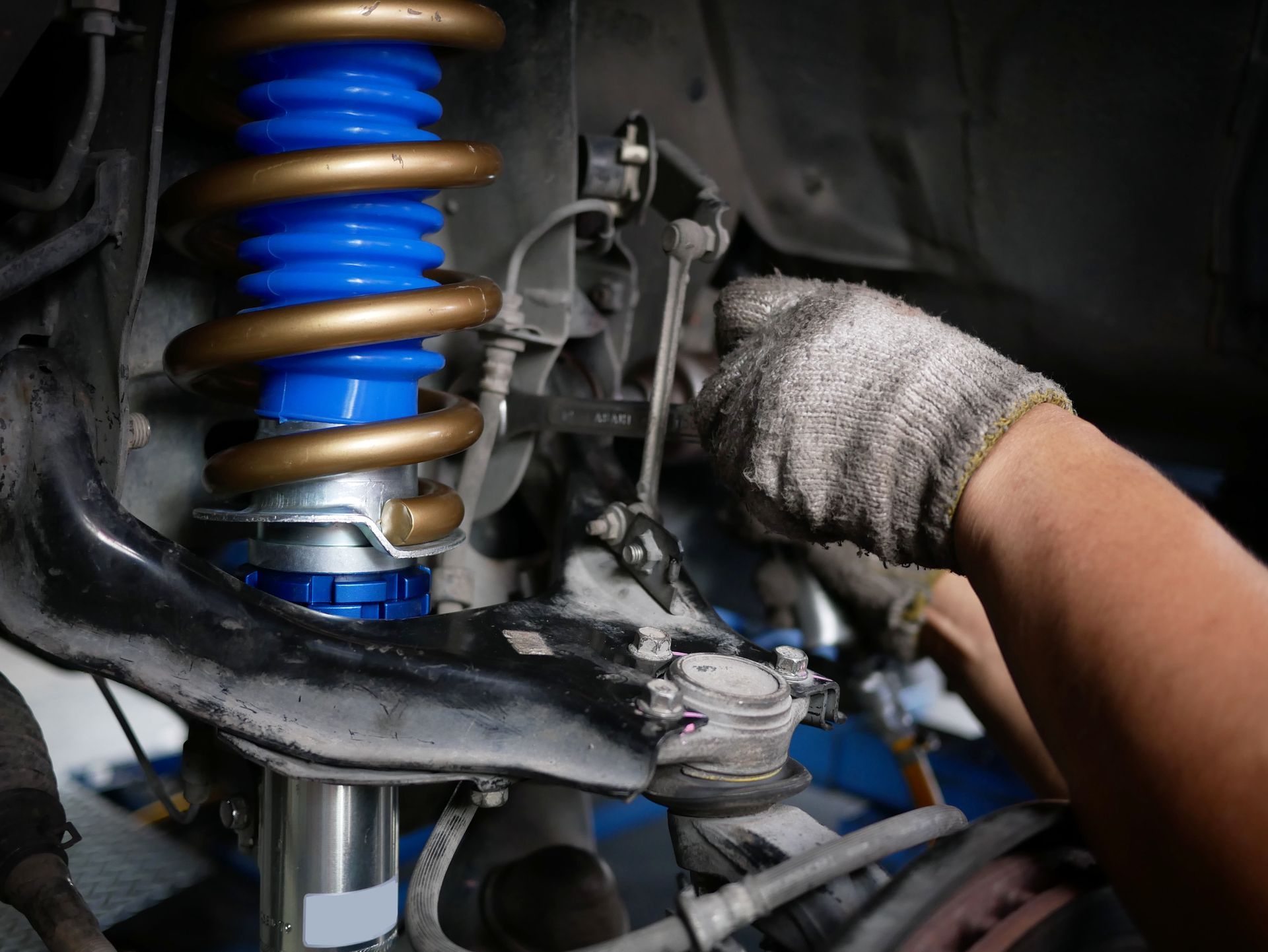
Despite being forged from durable steel, suspension parts endure an immense amount of physical stress and environmental exposure over their lifespan. Constant compression cycles, coupled with exposure to moisture, road salt, and debris, eventually take a toll on their structural integrity. Recognizing the symptoms of failing components is critical for maintaining automotive safety. One of the most obvious indicators of trouble is a noticeable change in the stance of the vehicle. If one corner of the car sits significantly lower than the others, it is highly likely that the supporting elements have weakened or fractured. Drivers might also experience a dramatic decrease in ride quality, where every small bump sends a harsh jolt through the steering wheel and seats. Another common warning sign is an increase in body roll during turns, making the vehicle feel unstable or top-heavy. Visually inspecting the coil springs can sometimes reveal rust accumulation, deep pitting, or actual breaks in the metal spiral. Ignoring these symptoms can lead to accelerated wear on the shock absorbers, uneven tire degradation, and a severely compromised ability to steer safely. Routine inspections by qualified professionals are the best way to catch these structural degradations before they escalate into complete mechanical failures.
Maintaining a healthy suspension is non-negotiable for anyone who values safety, comfort, and precise handling on the road. The intricate balance of weight distribution, energy absorption, and stability relies heavily on components that can endure constant punishment without losing their elastic properties. As these parts gradually wear down over time, the entire driving experience degrades, putting both the driver and the vehicle at unnecessary risk. Staying proactive about suspension health ensures that every journey remains smooth and every turn remains tight. When it comes time to replace or upgrade these vital automotive parts, choosing high-quality replacements made by experienced manufacturers makes all the difference in long-term reliability. A fresh set of premium coil springs will immediately restore the pristine ride quality and confident handling that a vehicle originally possessed. For drivers looking to upgrade their ride or restore their suspension to optimal condition, Coil Spring Specialties has the expertise to help.

Share On: