
The Hidden Impact of Worn Coil Springs on Vehicle Performance
Your vehicle is a complex machine made up of interconnected parts working together to provide a smooth driving experience. While drivers pay close attention to engine health and tire tread, the suspension system often operates out of sight. Deep within this system lies a vital component supporting the vehicle's weight and absorbing shocks encountered on the road. When these elements degrade, the effects ripple throughout the entire vehicle, altering how it drives, handles, and protects occupants. Understanding the subtle ways suspension wear affects your daily commute is essential. By the time symptoms become obvious, underlying degradation may have already compromised your safety and the longevity of other mechanical parts. Taking a proactive approach ensures your ride remains secure mile after mile.
Understanding the Basics of Suspension Components
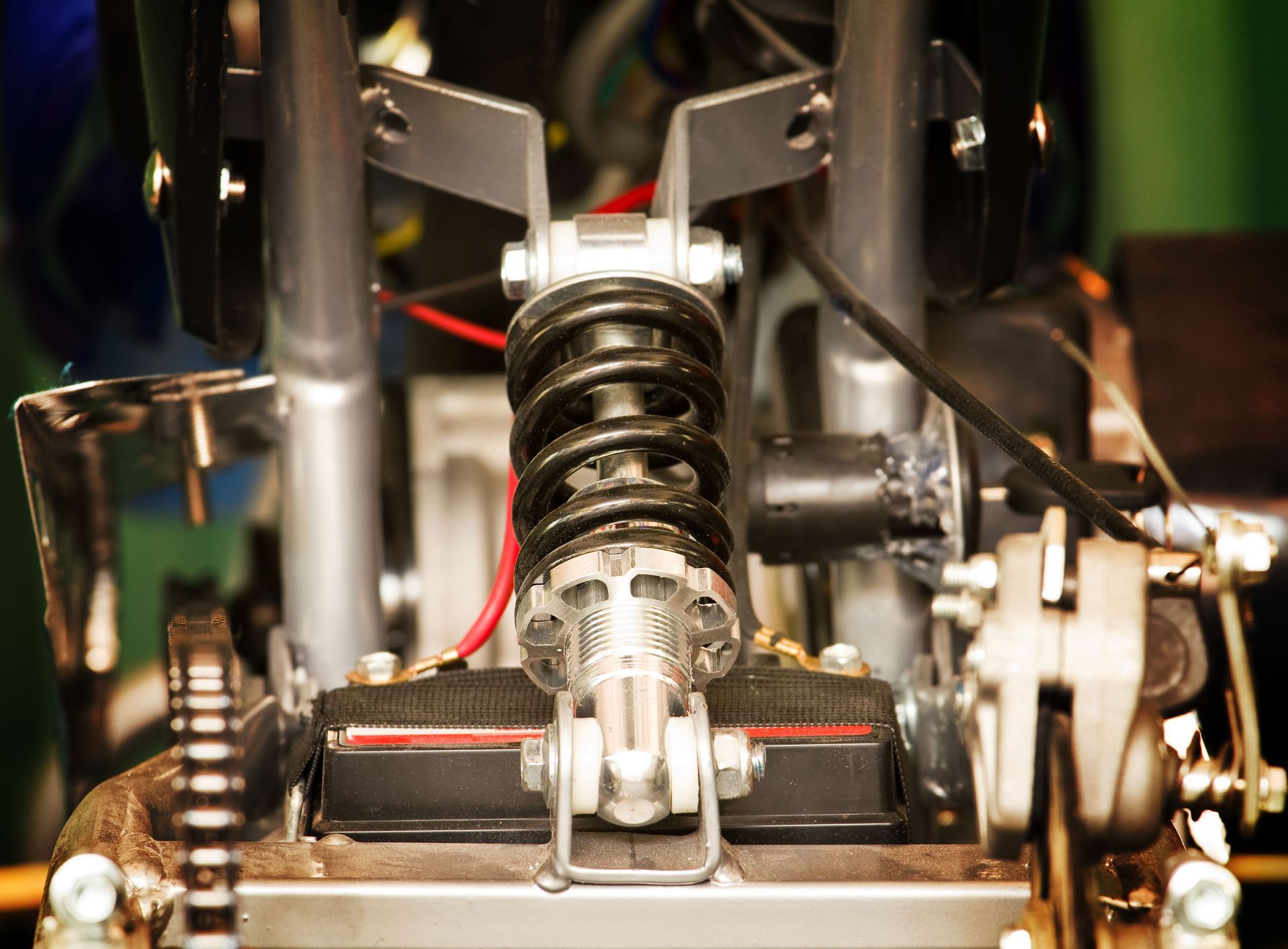
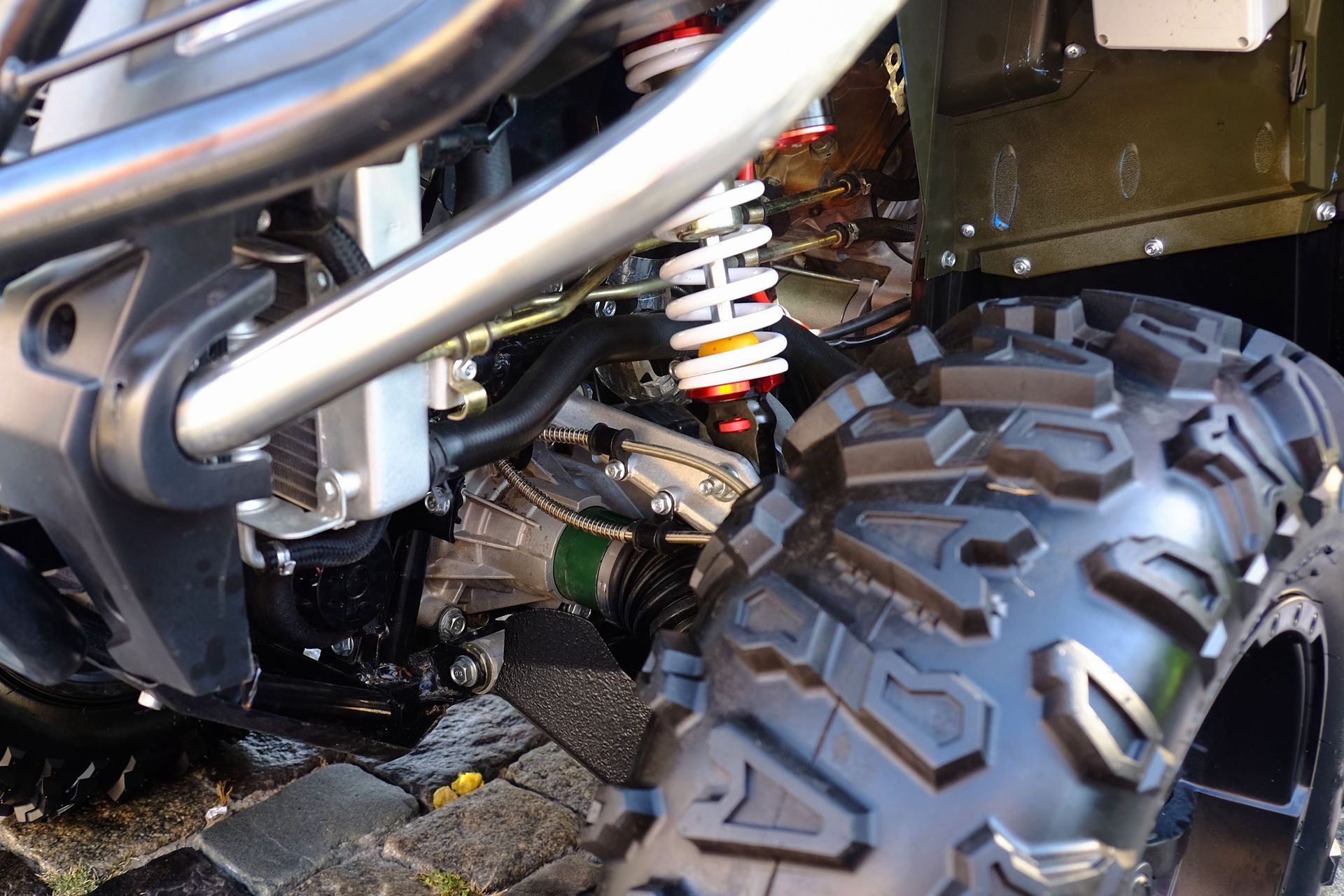
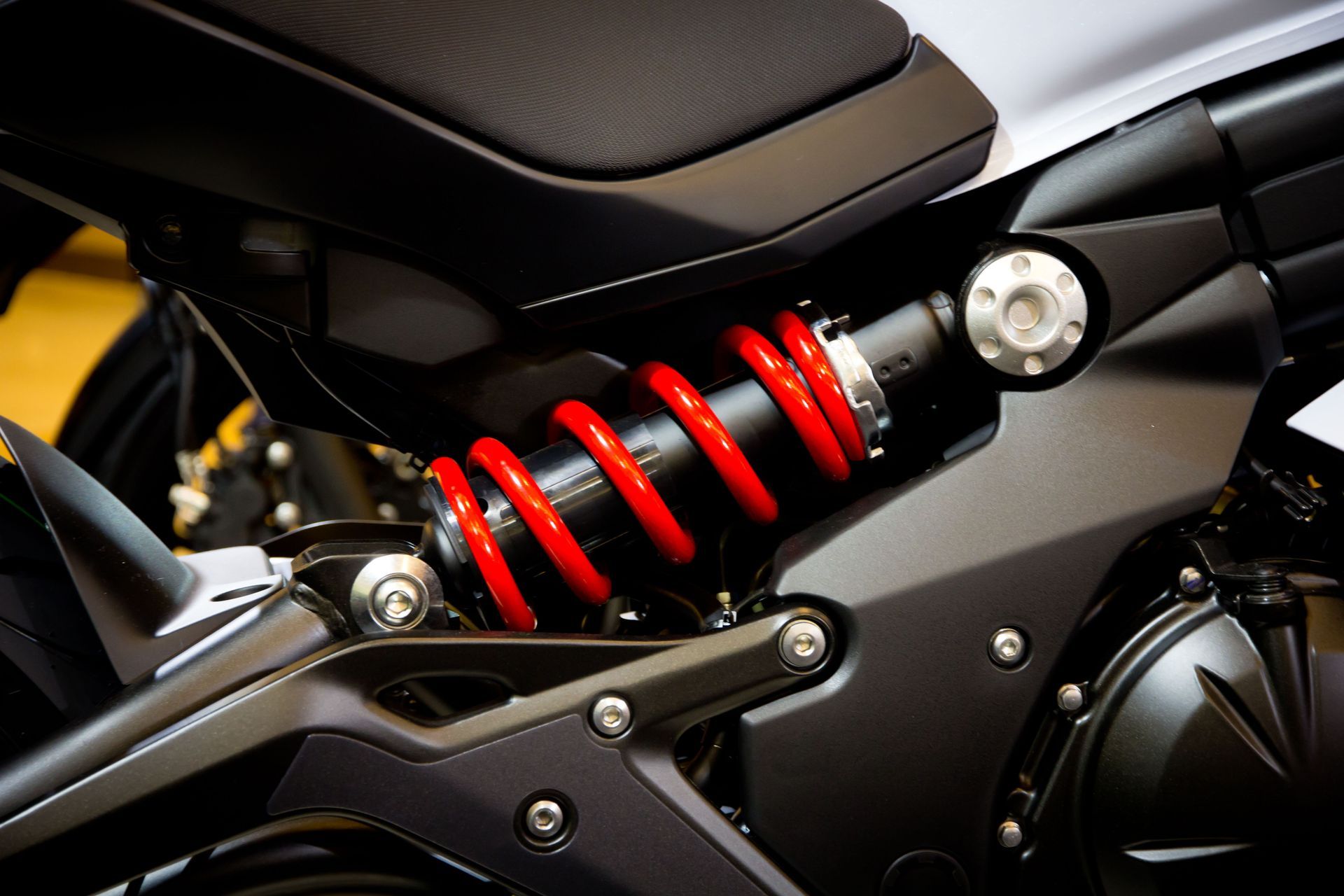
The suspension system is tasked with a monumental job. It must maintain contact between the tires and the road surface while shielding the cabin from the impacts of uneven pavement. At the heart of this system are primary load-bearing elements that compress and rebound with every dip and crest. These robust spirals of steel endure immense pressure. However, despite heavy-duty construction, they are not immune to physics and environmental exposure. Over time, constant cycling causes metal fatigue, slowly sapping elasticity and strength. Rust and corrosion further accelerate deterioration, especially in harsh climates where salt and moisture are prevalent. As structural integrity weakens, the ability to absorb energy diminishes, forcing other parts to take on loads they were never designed to handle. This cascading effect highlights why the foundation of your suspension must remain in optimal condition. According to The AA, automotive coil springs can last between 50,000 and 100,000 miles before they need to be replaced. Once this threshold is crossed, the likelihood of noticeable performance issues increases significantly. Drivers must remain vigilant and aware of subtle changes in vehicle behavior, as early warning signs are key to preventing extensive damage.
Recognizing the Symptoms of Component Wear
Identifying a deteriorating suspension component requires visual inspection and sensory awareness while driving. A common visual indicator is a noticeable sag or uneven stance when parked on a level surface. If a corner of the vehicle sits lower than the rest, it is a strong signal that the supporting element has lost tension and is failing to hold the weight properly. This uneven ride height looks irregular and shifts the center of gravity, which drastically alters how the vehicle responds to inputs. Furthermore, you might notice uneven tire wear during routine inspections. Because suspension geometry is compromised, tires no longer make flat, consistent contact with the road, leading to patchy tread degradation. Beyond visual cues, auditory signals are often the first hint that something is amiss underneath the chassis. You may hear clunking, rattling, or squeaking noises when navigating over bumps, potholes, or rough terrain. These sounds occur because the weakened metal is rubbing against other components or failing to dampen sudden chassis movements. Additionally, overall ride quality will noticeably decline. A journey that once felt smooth may begin to feel excessively bouncy or harsh, as the degraded coil springs fail to absorb kinetic energy from the road.
Evaluating the Impact on Handling Dynamics
The handling dynamics of a vehicle rely heavily on a stable suspension setup. When you turn the steering wheel, you expect the vehicle to respond with precision and grip. However, when structural support is compromised, responsiveness is severely diminished. As you enter a corner, the weakened metal struggles to resist lateral forces, resulting in excessive body roll. The vehicle may feel as though it is leaning dangerously to a side, which severely reduces traction on the opposing wheels. This lack of stability makes it difficult to maintain your intended path and requires constant steering corrections, transforming a simple drive into a stressful task. Acceleration and braking are equally affected by compromised suspension elements. During sudden acceleration, the rear of the vehicle may squat excessively, altering the aerodynamic profile and reducing steering authority at the front wheels. Conversely, during heavy braking, the front end may dive dramatically toward the pavement. This nose-dive shifts excessive weight onto the front tires, overwhelming their grip and significantly extending stopping distance. In emergency situations, this delayed stopping capability can be the difference between a safe halt and a dangerous collision. The hidden degradation of your coil springs essentially robs you of precise control.
Assessing the Risks to Overall Safety
The implications of suspension wear extend far beyond mere comfort inconveniences; they pose a direct and serious threat to passenger safety. A vehicle that cannot maintain adequate tire contact with the road is fundamentally unsafe. In wet or slippery conditions, the risk of hydroplaning increases exponentially because the suspension cannot apply the consistent downward pressure required to push water out from under the tire tread. Furthermore, electronic safety systems integrated into modern vehicles, such as anti-lock brakes and electronic stability control, are calibrated under the assumption that the mechanical suspension is functioning correctly. When physical components fail to perform, these advanced safety nets may trigger too late or act unpredictably, leaving occupants vulnerable. There is also the severe risk of catastrophic failure. If the metal has become sufficiently weakened by rust and fatigue, a sudden impact from a deep pothole or road debris can cause the component to snap completely. When this happens, jagged metal can puncture a tire at highway speeds or severely damage surrounding brake lines and steering linkages. The resulting loss of control is sudden and violent, leaving the driver with almost no time to react. Regularly inspecting your coil springs and replacing them at the first sign of wear is a critical obligation to ensure the safety of everyone inside the vehicle.
Maintaining the Health of Your Vehicle
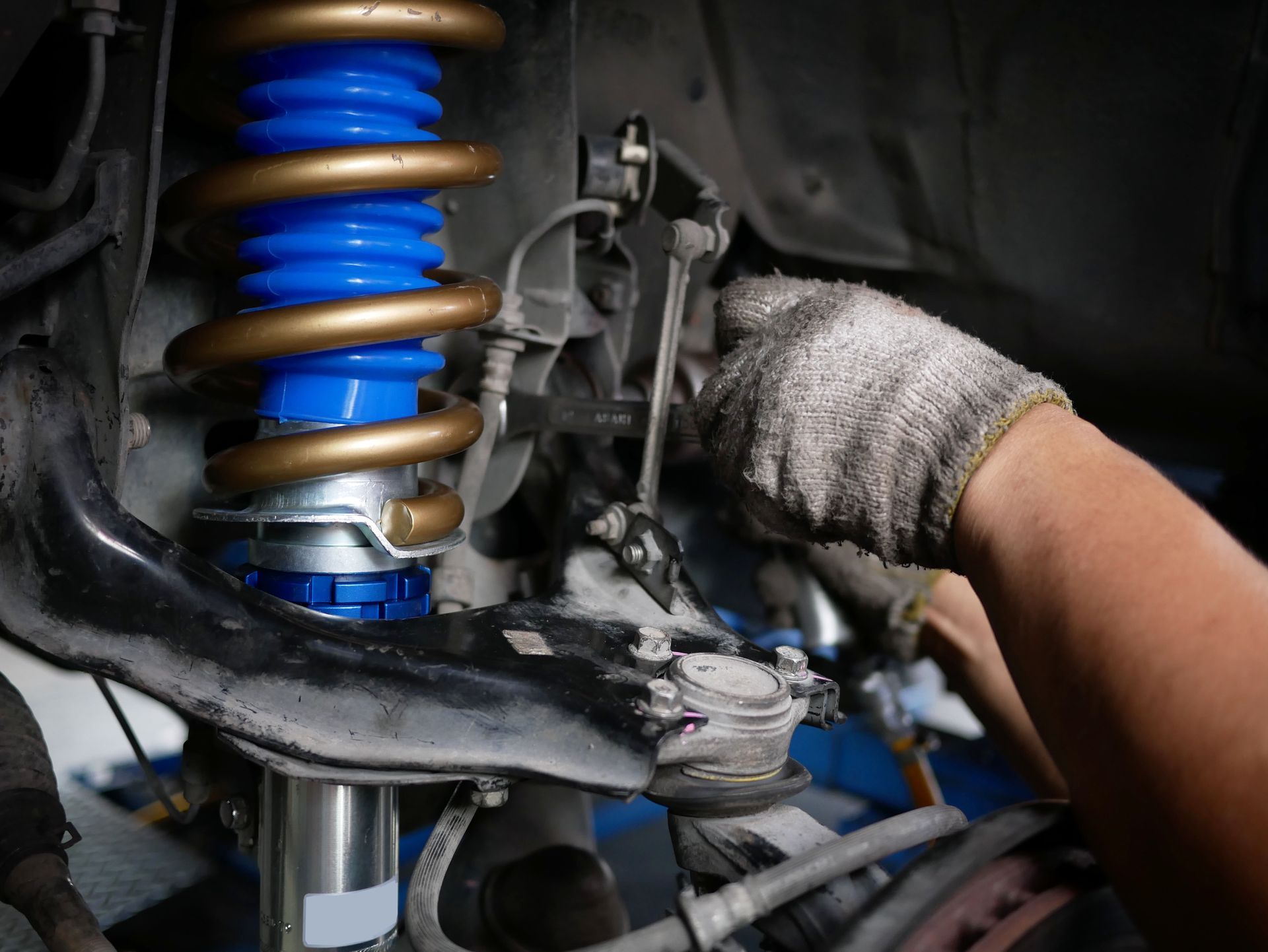
Proactive maintenance is the most effective strategy for mitigating the hidden impacts of suspension wear. Routine inspections should be an integral part of your vehicle care regimen. Whenever the vehicle is elevated for an oil change or tire rotation, the undercarriage should be thoroughly examined for signs of severe rust, structural cracks, or missing sections of metal. Cleaning the undercarriage regularly, especially after driving through corrosive environments, can help preserve the integrity of the steel. It is also important to respect the load capacity of your vehicle. Consistently hauling heavy cargo or towing loads that exceed manufacturer recommendations places immense, undue stress on the suspension framework, drastically accelerating the fatigue process. When the time comes for replacement, it is always recommended to replace these components in pairs across the same axle. Installing a brand-new element on a single side while leaving a degraded component on the opposing side will result in an unbalanced ride, leading to erratic handling and uneven stress distribution. By ensuring that your vehicle is supported by fresh, matching coil springs, you restore the original factory handling characteristics and safeguard the longevity of the entire suspension system. Investing in proper maintenance today will save you from cascading failures.
The smooth operation and predictable handling of your vehicle rely entirely on the hidden strength of its suspension network. Ignoring the subtle warnings of degradation can transform a minor maintenance task into a major safety hazard, compromising your control during the most critical driving moments. By staying alert to changes in ride height, unusual noises, and shifting handling dynamics, you can address these issues before they escalate. A proactive approach to vehicle care guarantees that your ride remains as comfortable and secure as the day it left the showroom. When you suspect that your suspension is no longer performing at its peak, it is crucial to seek out high-quality replacements engineered for durability and exact fitment. Whether you are restoring a classic or maintaining a daily commuter, dependable parts are the foundation of a safe journey. For expert guidance and premium manufacturing tailored to your exact specifications, trust the professionals to keep you driving smoothly. If you are experiencing issues with your coil springs or simply need to replace your worn-out coil springs, call Coil Spring Specialties today to learn more.

Share On: