
How Coil Springs Work with Shocks and Struts to Deliver a Smooth Ride
Every time a vehicle crosses a rough patch of pavement, enters a turn, accelerates, or slows down, its suspension has to manage forces that could otherwise make the ride uncomfortable or difficult to control. That job depends on several components working together rather than a single part absorbing every impact. Coil springs, shocks, and struts are central to this relationship.
Coil springs carry the vehicle’s weight and allow the wheels to respond to changes in the road. Shocks and struts regulate the motion created as those springs compress and rebound. When the components are appropriately matched, the suspension can absorb road irregularities while helping the tires remain connected to the pavement. For vehicles with unusual load or performance requirements, a local coil springs manufacturer can provide springs designed around the demands of the application.
Managing Vehicle Weight With Coil Springs
Supporting the vehicle is one of the primary responsibilities of a coil spring. The springs carry loads created by the body, drivetrain, passengers, cargo, and installed equipment while maintaining enough flexibility for the wheels to travel vertically as the road surface changes.
When a wheel moves upward after encountering a bump, its spring compresses and stores energy. As the wheel passes the raised area, the spring begins returning toward its normal position. This movement reduces the amount of road disturbance transferred directly through the vehicle body, contributing significantly to passenger comfort.
Changes in the automotive market have also influenced demand for application-specific suspension parts. According to Data Intelo, SUVs accounted for 42.3% of global passenger car production in 2025, contributing to demand for specialized suspension components such as higher-capacity springs.
Controlling Spring Motion With Shock Absorbers
Although springs absorb and store energy effectively, they cannot adequately regulate their own movement. Once compressed, a spring naturally expands toward its original position. That rebound can lead to another compression, followed by additional movement. Without damping, the vehicle could continue moving up and down well after passing the original road disturbance.
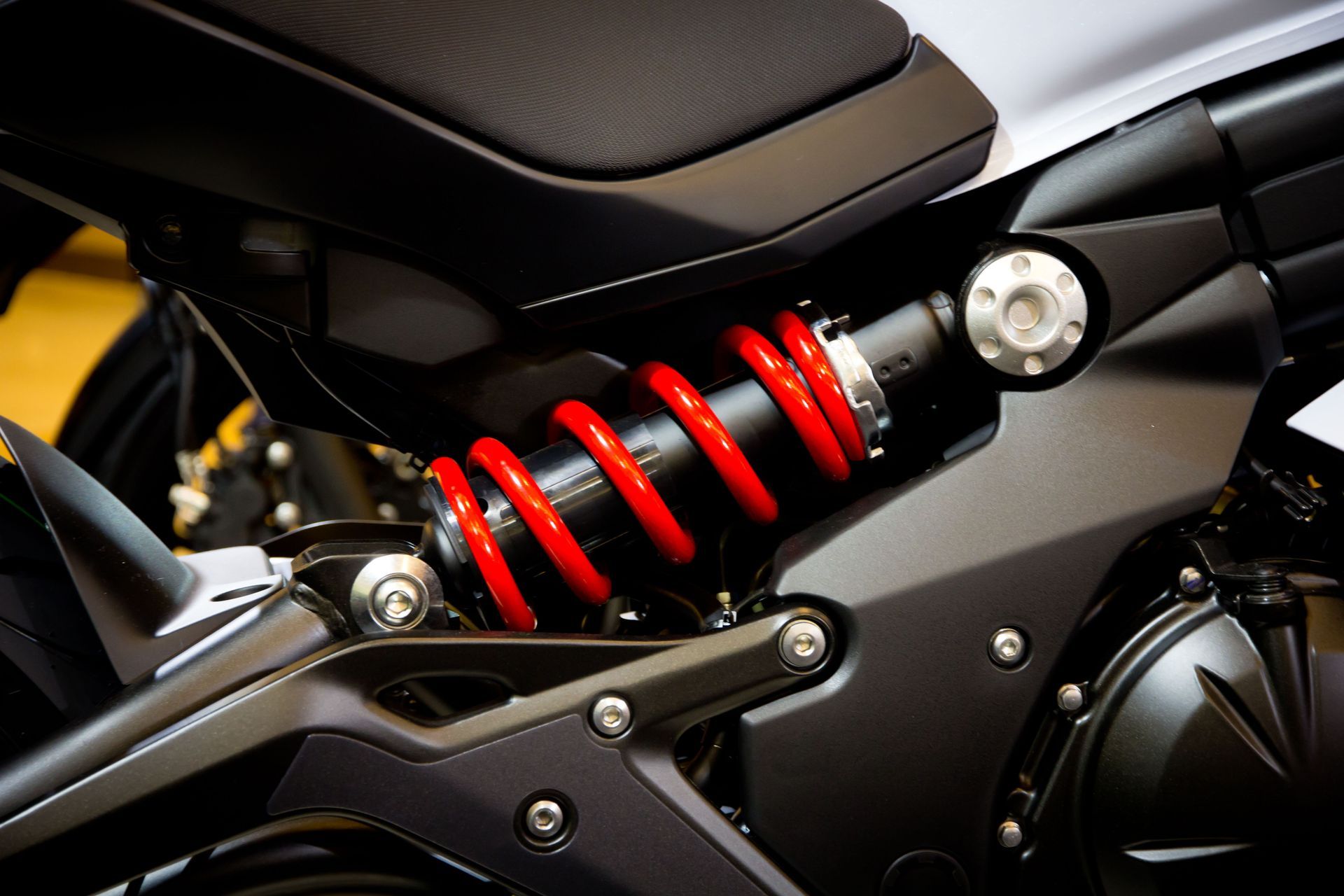
Shock absorbers are responsible for controlling this behavior. Rather than carrying the vehicle’s primary weight, shocks resist suspension motion and help the springs settle after compression and rebound. This damping process transforms uncontrolled oscillation into more measured suspension movement.
The effectiveness of this relationship depends on compatibility between the components. The spring determines how the suspension responds to an applied load, while the shock regulates the speed and extent of the resulting movement. When producing specialized springs, a local coil springs manufacturer can consider how spring characteristics relate to the damping requirements of the suspension.
Combining Suspension Roles With Strut Assemblies
Struts also provide damping, but their role differs from that of a conventional shock absorber because they can be incorporated into the vehicle’s suspension structure. Depending on the suspension design, the strut may contribute to maintaining suspension geometry while simultaneously controlling vertical movement.
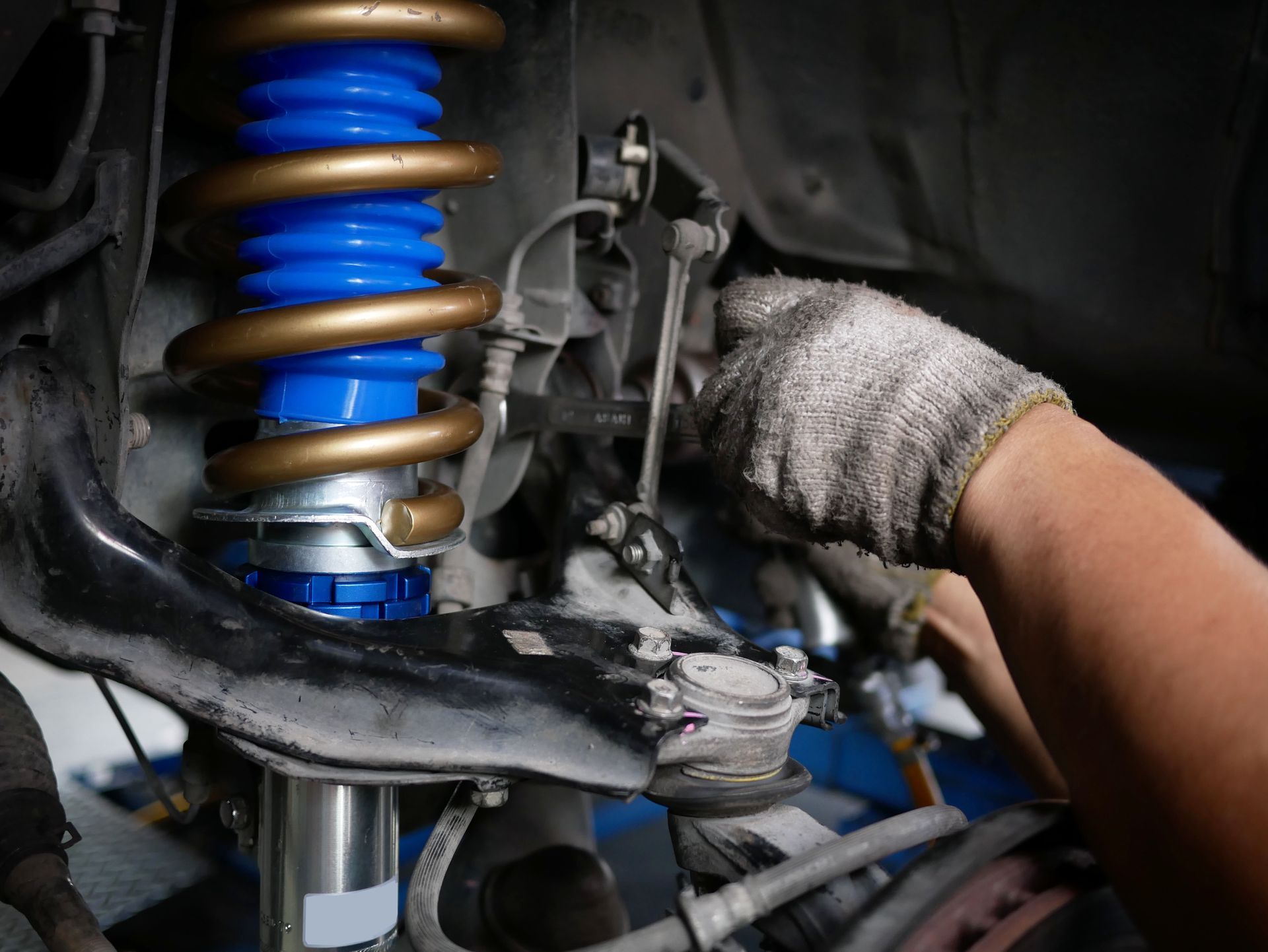
In many configurations, the coil spring is positioned around or closely associated with the strut. As the wheel rises and falls, both components respond. The spring supports the load and permits movement, while the strut moderates the energy generated by that movement.
Because these parts function so closely together, changing spring characteristics can influence how the entire assembly behaves. A spring that is too stiff for the application may restrict the suspension’s ability to absorb uneven pavement. Insufficient spring capacity can permit excessive compression or alter the vehicle’s intended ride height. A local coil springs manufacturer can take the suspension arrangement into account when developing a spring intended for replacement or specialized use.
Maintaining Tire Contact With Suspension Movement
Ride comfort is only one reason vehicles need suspension travel. The system must also help the tires follow the surface of the road. Pavement is rarely perfectly level, so each wheel needs the ability to move in response to bumps, depressions, and other irregularities without creating uncontrolled motion throughout the vehicle.
Coil springs provide the flexibility necessary for this movement. Shocks and struts then restrain the spring response so the wheel can settle after encountering an irregular surface. Problems with either part of that relationship can affect how consistently the tire interacts with the pavement.
Suspension behavior also changes as vehicle weight shifts. Braking moves load differently than acceleration, while cornering creates its own pattern of weight transfer. If the springs allow excessive body movement, steering responses may feel less precise and loads across the tires can change. A local coil springs manufacturer can consider these performance requirements when determining suitable spring characteristics for an application.
Matching Spring Design With Vehicle Requirements
Coil springs that look similar are not necessarily interchangeable. Their behavior can vary based on material, dimensions, wire characteristics, coil configuration, and the amount of load they are intended to support. Those design characteristics influence how much the spring moves when force is applied.
Vehicle weight is an important consideration, but it is not the only one. Regular cargo loads, specialized equipment, towing-related demands, suspension geometry, and normal operating conditions may all affect what the spring needs to accomplish. Two otherwise similar vehicles can therefore have different spring requirements depending on how they are configured and used.
Ride height is another important consideration. Springs help maintain the vehicle at the position intended by its suspension design. When springs are weakened or unsuitable for the load, the vehicle may sit lower or unevenly. That change can influence suspension geometry and affect the operating range of other components, making appropriate spring selection important to overall suspension performance.
Recognizing Suspension Changes Through Component Wear
Coil springs, shocks, and struts repeatedly respond to movement throughout the vehicle’s service life. Springs cycle through compression and rebound, while damping components continually regulate that motion. Wear or damage can eventually alter how effectively these parts work together.
For example, a weakened spring may stop maintaining the intended ride height even if the shock or strut continues functioning. Conversely, a spring may remain capable of supporting its load while a worn damping component allows excessive bouncing. Because different suspension problems can create similar symptoms, determining the cause often requires examining the complete system.
Changes in ride height, persistent bouncing, unusual suspension noises, or noticeable differences in handling can indicate a need for professional evaluation. When an application requires a spring with uncommon dimensions or performance characteristics, a local coil springs manufacturer may also be able to address requirements that ordinary replacement parts cannot meet.
Balancing Spring Capacity With Suspension Control
A comfortable and controlled ride depends on the relationship between spring capacity and damping. The springs must support the required load while retaining enough movement to respond to the road. At the same time, shocks or struts must provide sufficient control to prevent the energy stored in those springs from producing prolonged movement.
When the balance is appropriate, the suspension can respond to bumps without making the vehicle feel excessively soft or unnecessarily rigid. It can also manage changes in weight distribution more predictably as the vehicle accelerates, slows down, or turns.
Finding this balance can become particularly important with modified vehicles, specialized equipment, unusual loading conditions, or applications for which standard replacement springs are difficult to obtain. A local coil springs manufacturer can address spring specifications that are specific to those circumstances rather than relying solely on a general-purpose component.
Creating Ride Quality Through Suspension Coordination
A smooth ride is ultimately produced through coordination. Coil springs carry weight and permit the wheels to respond to changing pavement. Shock absorbers restrain the repeated motion that springs would otherwise create. Struts can provide similar damping while also serving an important structural role within certain suspension designs.
Because springs influence ride height, load support, available suspension movement, and the forces that shocks or struts must manage, their specifications have a direct relationship with the rest of the system. When an application requires characteristics that standard springs cannot provide, a local coil springs manufacturer can help address those particular requirements.
When standard springs are not appropriate for a particular vehicle or application, Coil Spring Specialties can help. We manufacture springs for a range of automotive and specialized requirements while considering the performance demands that influence suspension operation. Contact us to discuss your application and learn how our spring manufacturing capabilities can support your suspension needs.

Share On: