
Trends Influencing the Sale of Local Auto Parts
The local auto parts industry is experiencing significant shifts, driven by technological advancements, evolving consumer preferences, and heightened environmental considerations. These trends are reshaping how local auto parts are manufactured, purchased, and utilized, ultimately affecting sales dynamics. In this article, we will delve into the key factors influencing the landscape of this sector, highlighting both challenges and opportunities for stakeholders. The market is ripe for innovation, as companies endeavor to meet the changing demands of consumers and regulatory bodies alike.
Manufacturing Auto Parts with Technological Advancements
Technology advancements are significantly impacting the local auto parts manufacturing sector, promoting efficiency and innovation. 3D printing, for example, is revolutionizing the production process by allowing manufacturers to create parts quickly and accurately, reducing production costs and times. This technology enables the customization of parts, meeting specific consumer needs and broadening market possibilities. Innovation in smart technologies also adds value to traditional auto parts, integrating internet connectivity and sensors for enhanced performance and monitoring. Furthermore, automation in manufacturing processes increases precision and consistency, ensuring high-quality outputs and reducing human error.
Automation in manufacturing is significantly enhancing productivity and product quality. Robotic systems streamline repetitive tasks, freeing up human resources for more complex operations and helping reduce labor costs. Advanced robotics is also enhancing precision, leading to fewer defects and higher-quality parts, which is essential for maintaining consumer trust and safety standards. Integrating big data analytics into production processes further supports quality control, offering insights into operational efficiency and potential areas of improvement. Such advancements not only optimize production but also contribute to sustainable manufacturing practices by minimizing waste.
Material science innovations are driving the development of more durable and lightweight auto parts. New materials, such as advanced composites and high-strength steel, enhance vehicle efficiency by reducing weight and improving fuel economy. These advancements also support the automotive industry's shift towards electric and hybrid vehicles, demanding parts designed for energy efficiency and sustainability. Embracing cutting-edge materials is becoming essential for manufacturers striving to meet environmental standards and consumer expectations. According to Prescient & Strategic Intelligence, the US auto parts market is set to grow by 5.2% to USD 48.2 billion by 2032, illustrating the ongoing need for innovation in response to rising automobile demand.
Witnessing the Rise of E-commerce and Online Sales
The rise of e-commerce is transforming how consumers purchase local auto parts, emphasizing convenience and accessibility. Online platforms offer a vast array of products, granting consumers the ability to compare options and prices effortlessly. This convenience extends to purchasing, as online stores provide direct delivery services, saving consumers time and effort. Competitive pricing and exclusive online discounts further entice consumers, as they can often find parts at lower prices than in traditional brick-and-mortar stores. The result is a marketplace where businesses must adapt their strategies to include digital platforms in order to remain competitive and reach broader audiences.
While e-commerce offers numerous benefits, it also presents challenges, especially concerning shipping and logistics. Managing the timely delivery of parts while ensuring they remain undamaged is crucial for maintaining customer satisfaction. Companies must invest in robust logistics networks to handle these demands, coordinating deliveries efficiently to meet consumer expectations. The rise of customer reviews and ratings also influences consumer purchasing decisions, as positive feedback can significantly boost a product's appeal. As such, maintaining a high standard of service is imperative for online retailers to build trust and foster repeat business from their customers.
B2B platforms are growing in prominence, providing new opportunities for wholesalers and retailers in the auto parts industry. These platforms facilitate bulk purchasing and distribution, streamlining operations and reducing costs. By leveraging digital marketplaces, businesses can expand their reach, connecting with a wider range of suppliers and customers worldwide. The digital transformation of B2B sales is creating a more integrated and efficient supply chain, ultimately benefiting end consumers with faster access to parts and services. Companies that embrace these platforms are positioning themselves at the forefront of industry innovation, capitalizing on the efficiencies offered by digital transactions.
Shifting Towards Eco-Friendly and Sustainable Products
The auto parts industry is shifting towards eco-friendly and sustainable products, driven by rising consumer awareness and regulatory pressure. There's a growing demand for recycled and refurbished parts, offering cost-effective solutions while reducing environmental impact. The industry is responding with initiatives promoting green practices, such as incorporating recycled materials into new products and reducing manufacturing waste. Regulatory standards increasingly influence product offerings, mandating compliance with environmental impact laws. As consumers become more environmentally conscious, companies that prioritize sustainability can enhance their brand image and gain a competitive edge.
Energy efficiency is another focus area in the development of auto parts, driving advances in technology and materials. Manufacturers are producing components that optimize fuel consumption and reduce emissions, aligning with global trends towards cleaner energy solutions. Innovations in battery technology and lightweight materials are part of this shift, as companies strive to meet growing demand for electric and hybrid vehicles. Consumer awareness campaigns and green marketing efforts also play a role, educating potential buyers on the benefits of sustainable products. These elements combine to create a marketplace where eco-friendly products are not only in demand but expected by discerning consumers.
Local sourcing and reducing carbon footprints are gaining attention as businesses strive for sustainable operations. Companies are increasingly sourcing materials closer to manufacturing sites to minimize transportation emissions and enhance supply chain resilience. This approach not only contributes to environmental goals but also offers cost savings and supports local economies. By prioritizing sustainability throughout their operations, businesses can meet consumer demand for responsible production while adhering to more stringent environmental regulations. The auto parts industry's commitment to sustainability is paving the way for long-term growth and innovation in response to these evolving challenges.
Seeing Changes in Consumer Behavior and Preferences
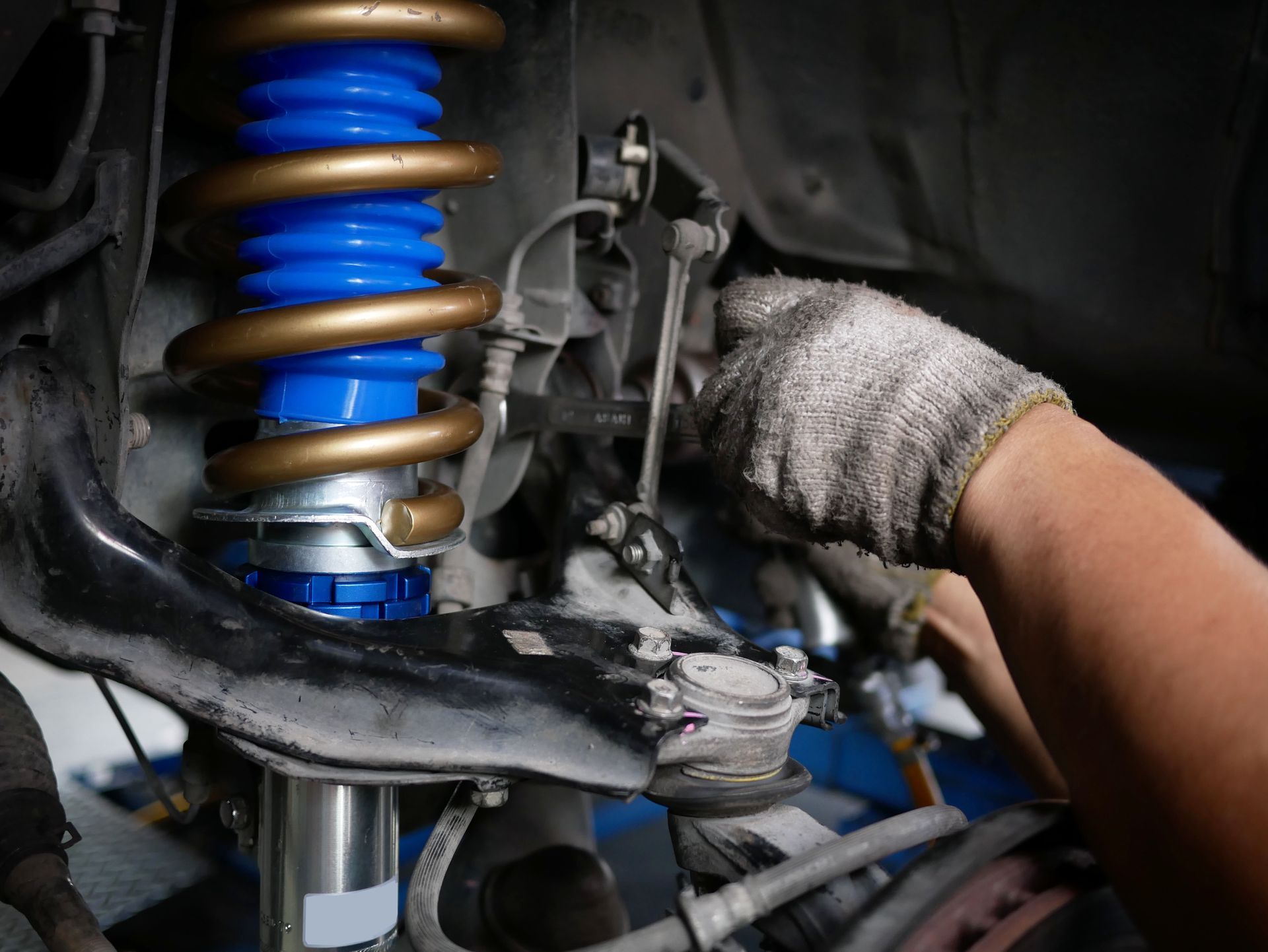
Consumer behavior within the local auto parts sector is evolving, with a notable increase in the popularity of DIY repairs. Enthusiastic consumers are turning to online tutorials and forums to learn how to perform repairs and maintenance tasks on their vehicles. This trend has spurred demand for tools, kits, and replacement parts that are easily accessible and simple to use. Companies catering to this market segment are providing comprehensive guides and support services to assist consumers in their DIY endeavors. The empowerment of consumers through DIY culture signals a shift in how they perceive and interact with local auto parts providers.
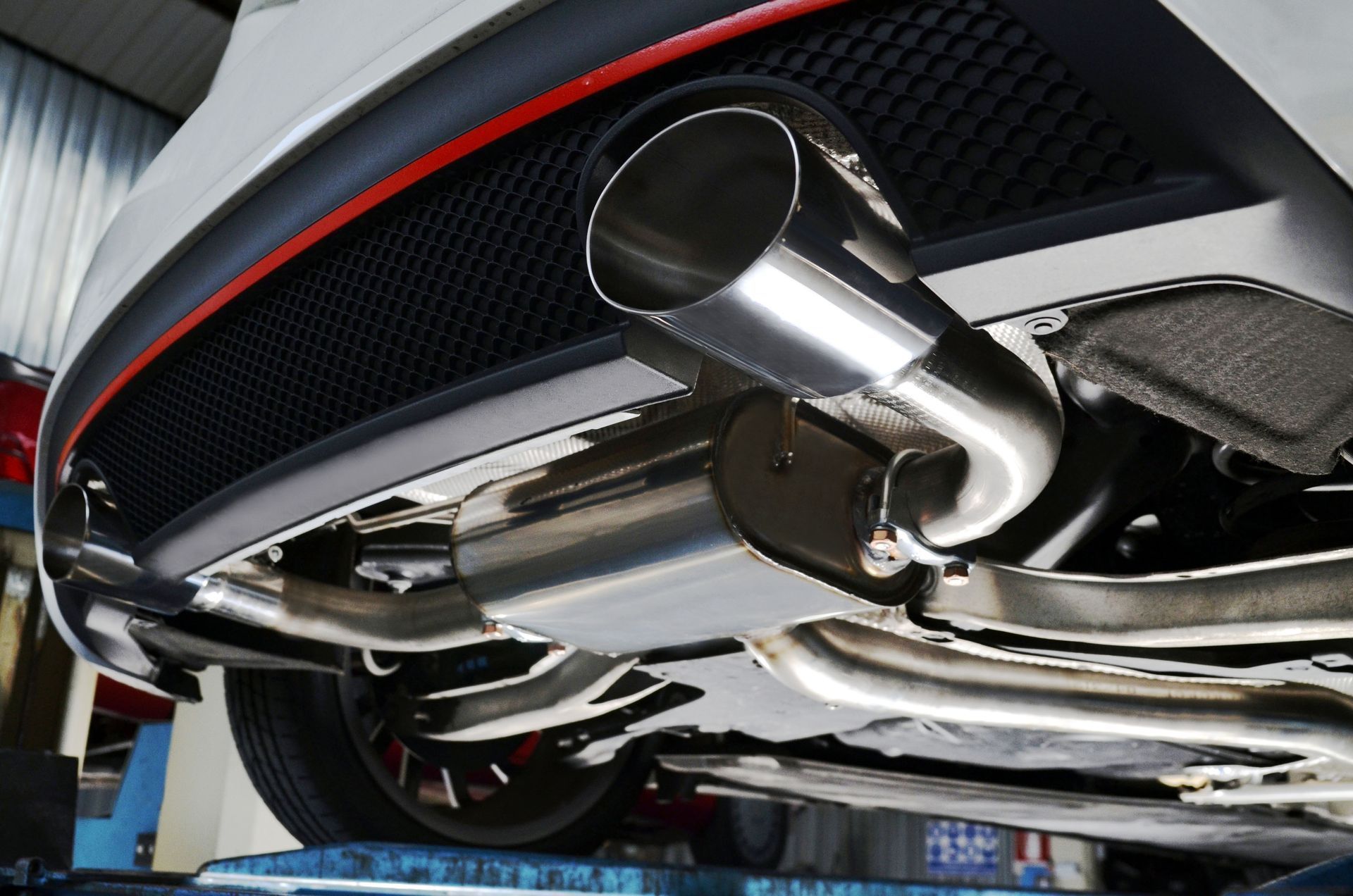
Customization and performance enhancements are other key areas attracting consumer interest. Car owners are increasingly seeking personalized solutions to boost the aesthetic appeal and performance of their vehicles. This trend is driving demand for specialized aftermarket parts and accessories, designed to enhance speed, torque, and overall appearance. Manufacturers and retailers recognize the potential in catering to this niche and are offering product lines that support vehicle personalization. The ability to provide high-quality, customizable options is becoming a valuable differentiator in a market that values individuality and innovation.
Generational differences are influencing shifts in consumer purchasing decisions within the local auto parts sector. Younger generations, such as Millennials and Gen Z, are more likely to prioritize sustainability and technology integration when selecting auto products. They are also more attuned to social media and online reviews, using these platforms to inform their purchases. In contrast, older generations may value brand loyalty and traditional shopping experiences. Understanding these differences is crucial for businesses aiming to capture the attention of diverse demographics. Targeted marketing strategies and product offerings that resonate with specific age groups can enhance brand appeal and drive sales.
The local auto parts industry is experiencing transformative shifts driven by technological advancements, e-commerce, sustainability, and evolving consumer behavior. Trends such as 3D printing, increased online sales, and a focus on eco-friendly products are reshaping the market landscape. Global supply chain dynamics and government regulations further influence industry operations and strategic decisions. Understanding these trends is crucial for stakeholders seeking to navigate challenges and leverage growth opportunities. As the industry continues to evolve, businesses that adapt proactively and innovate will position themselves for success in a dynamic marketplace. Are you seeking auto parts in the U.S or Canada? If so, contact Coil Spring Specialties today.



Share On: