
How Coil Spring Failure Can Damage Your Entire Suspension
A vehicle's suspension system is responsible for maintaining ride comfort, handling, and overall safety. Every component within the system works together to absorb road impacts, support vehicle weight, and keep tires in proper contact with the road surface. Among these essential parts, coil springs play a critical role in supporting the vehicle and helping manage road vibrations. When one of these components fails, the effects often extend beyond a single part. Suspension problems can quickly spread to neighboring components, leading to costly repairs and reduced vehicle performance. Understanding how spring failure affects the suspension system can help drivers recognize warning signs early and take corrective action before more extensive damage occurs.
Understanding Different Spring Designs
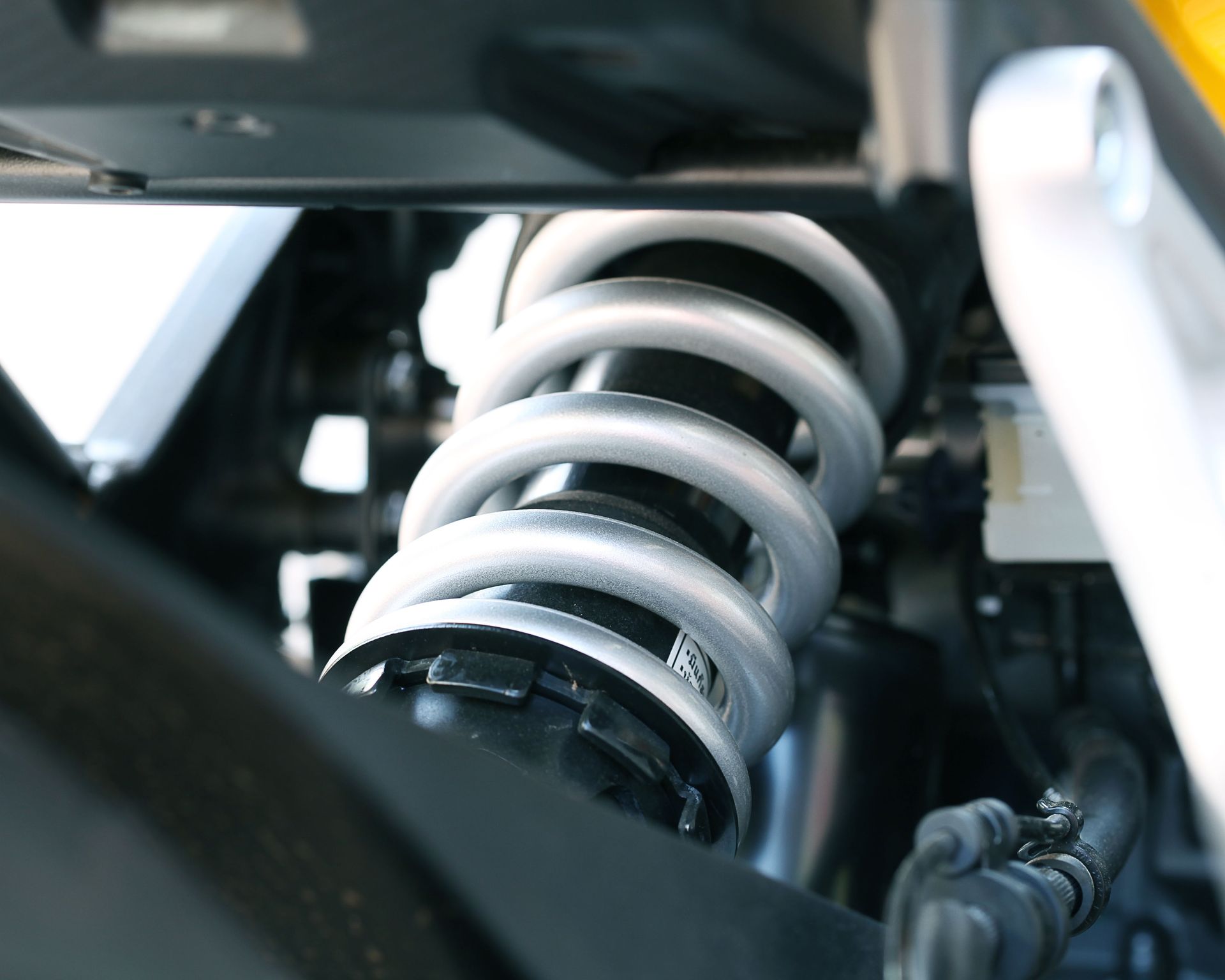
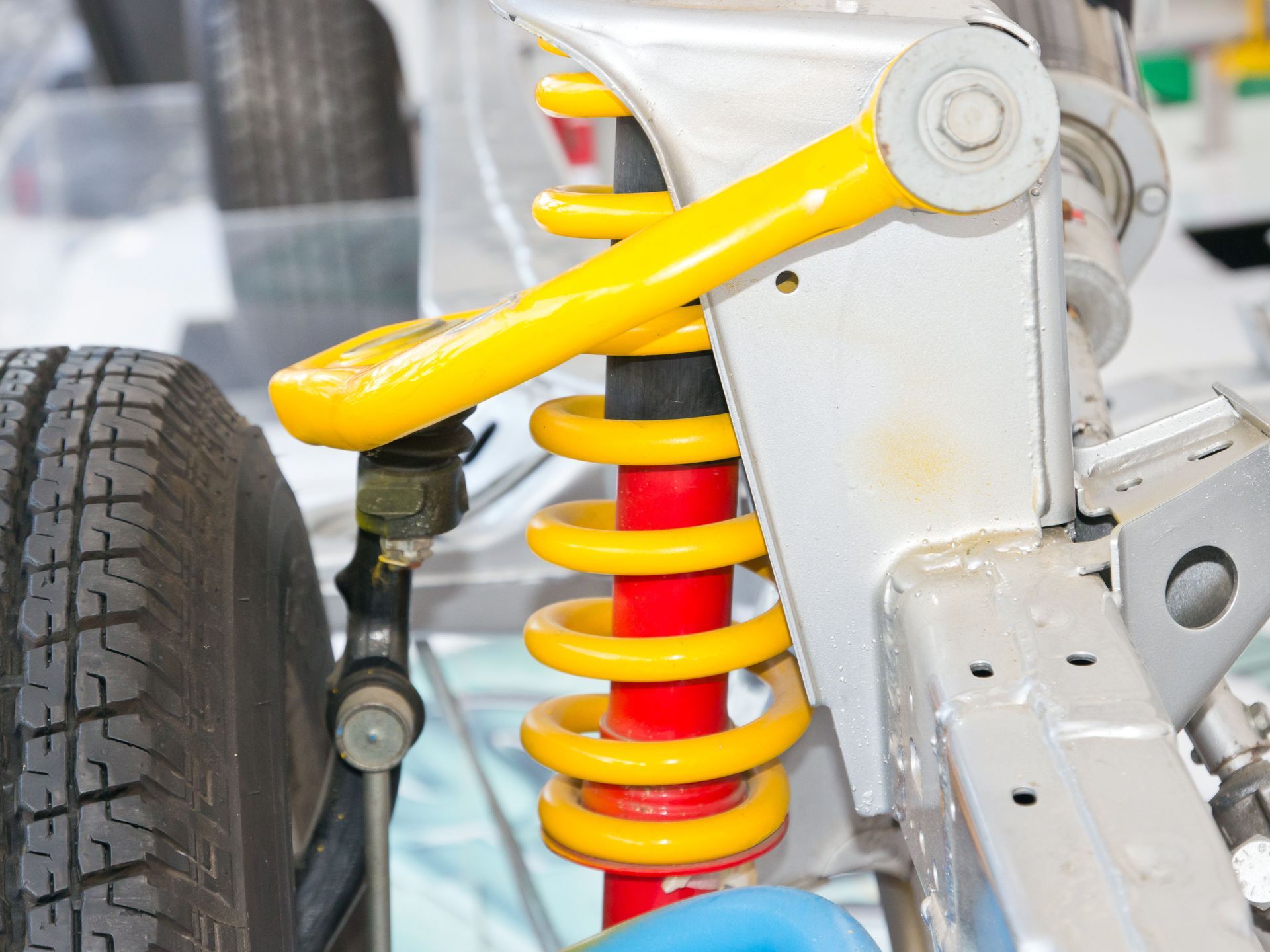
Vehicle suspension systems rely on various spring designs to perform different functions. According to IQS Directory, the three primary spring categories include compression, extension, and torsion designs, with each engineered to handle specific types of force and movement. Compression springs are the most common in automotive suspension systems because they absorb impacts and help maintain ride height. Extension springs are designed to resist pulling forces, while torsion springs manage rotational energy. Although their functions differ, all spring types contribute to stability and control. Advances in engineering have improved durability and performance, allowing modern vehicles to handle a wide range of driving conditions. Understanding how these designs function provides insight into why maintaining coil springs is so important for overall suspension health.
Recognizing Common Causes of Failure
Spring failure rarely occurs without warning. One of the most common causes is material fatigue resulting from years of repeated compression and expansion. Every bump, pothole, and road imperfection places stress on suspension components. Over time, microscopic cracks can develop and eventually lead to breakage. Corrosion is another major factor, particularly in regions where road salt and moisture are common. Rust weakens the metal and accelerates deterioration. Poor maintenance habits can also contribute to failure when early warning signs are ignored. In some cases, manufacturing defects or improper installation may shorten the lifespan of suspension components. Understanding these causes allows vehicle owners to take preventive measures and reduce the likelihood of unexpected failures.
Experiencing Reduced Ride Comfort
One of the first noticeable effects of suspension spring failure is a decline in ride quality. A properly functioning suspension absorbs impacts and smooths out uneven road surfaces. When a spring becomes damaged or breaks, the system loses part of its ability to cushion the vehicle from bumps and vibrations. Passengers may experience a rougher ride and increased discomfort during everyday driving. Road imperfections that were once barely noticeable can suddenly become much more pronounced. Long trips may become tiring due to constant jolts and vibrations. In addition to affecting comfort, excessive movement can place additional strain on other vehicle components. Addressing suspension issues promptly helps restore ride quality and prevents further complications.
Compromising Vehicle Stability
Beyond comfort concerns, damaged coil springs can significantly affect vehicle stability. Springs help distribute weight evenly and maintain proper balance during acceleration, braking, and cornering. When one spring fails, weight distribution becomes uneven, making the vehicle more difficult to control. Drivers may notice increased body roll when turning or a tendency for the vehicle to lean to one side. These handling changes can become especially dangerous during emergency maneuvers or adverse weather conditions. Reduced stability not only impacts driving confidence but also increases the likelihood of accidents. Maintaining a healthy suspension system is essential for preserving safe handling characteristics. Prompt replacement of damaged coil springs helps ensure the vehicle remains stable under a variety of driving conditions.
Increasing Stress on Shock Absorbers
The suspension system relies on multiple components working together. Shock absorbers and springs are designed to complement one another by managing different aspects of vehicle movement. When a spring fails, shock absorbers must compensate for the lost support. This additional workload causes them to wear out more quickly than intended. Drivers may notice excessive bouncing, poor road control, or increased stopping distances as shock absorbers become overworked. Over time, the extra stress can lead to premature shock failure and more expensive repairs. Replacing damaged coil springs before they affect other components helps maintain balance throughout the suspension system. Preserving this partnership between shocks and springs is essential for long-term performance and safety.
Creating Alignment and Tire Problems
A damaged suspension spring can also affect wheel alignment. Vehicle alignment depends on maintaining consistent ride height and proper suspension geometry. When a spring weakens or breaks, ride height changes and alignment angles can shift. This can result in uneven tire wear, reduced fuel efficiency, and compromised handling. Drivers may notice the vehicle pulling to one side or requiring constant steering corrections. Tire replacement costs can increase significantly when alignment problems are left unresolved. Because suspension components are interconnected, a single failed spring can create a chain reaction affecting multiple systems. Regular inspections and prompt repairs help preserve alignment and maximize tire lifespan. Maintaining proper suspension geometry is crucial for both safety and operating efficiency.
Contributing to Additional Suspension Damage
Spring failure often leads to a cascade of mechanical problems throughout the suspension system. Components such as struts, bushings, control arms, and stabilizer links can experience increased stress when suspension balance is disrupted. These parts are designed to operate within specific load ranges. When one component fails, others are forced to compensate, accelerating wear and increasing the likelihood of further breakdowns. What begins as a relatively simple repair can quickly become a major expense if ignored. Routine maintenance and early intervention help prevent these secondary failures. Vehicle owners who address suspension issues promptly are more likely to avoid extensive repairs and maintain reliable performance. A proactive approach protects both the vehicle and the owner's budget.
Identifying Warning Signs Early
Recognizing the symptoms of suspension problems is essential for preventing larger issues. Visible sagging, uneven ride height, or excessive bouncing are common indicators of spring-related concerns. Drivers may also hear unusual clunking, rattling, or squeaking noises when traveling over bumps. Steering responsiveness may decline, and the vehicle may feel less stable during turns. Uneven tire wear patterns can provide another clue that suspension components require attention. Professional inspections are particularly valuable because some damage may not be obvious during a casual visual examination. Regular maintenance visits allow technicians to identify developing problems before they become severe. Early detection is one of the most effective ways to reduce repair costs and maintain safe vehicle operation.
Protecting Long-Term Suspension Performance
Preventive maintenance remains the best strategy for extending suspension life. Routine inspections help identify corrosion, wear, and other developing issues before failure occurs. Keeping the undercarriage clean can reduce exposure to corrosive substances that weaken suspension components. Drivers should also avoid overloading their vehicles beyond manufacturer recommendations, as excessive weight places unnecessary stress on the suspension system. Safe driving habits, including slowing down for potholes and rough road conditions, can further reduce wear. Regular alignment checks and timely replacement of worn parts contribute to overall system longevity. By caring for the suspension system as a whole, vehicle owners can maximize performance, improve safety, and reduce long-term repair expenses.
A damaged suspension spring can affect far more than ride comfort. From handling and alignment problems to increased wear on critical components, the consequences can impact nearly every part of the suspension system. If you need high-quality replacement springs designed to meet your exact specifications, contact Coil Spring Specialties today. Our experienced team can help you find durable solutions that support reliable performance, improved safety, and long-lasting suspension health.

Share On: