
6 Essential Car Parts That Keep Your Vehicle Running Smoothly
Every vehicle on the road depends on a complex system of components working together in harmony. While drivers often focus on fuel efficiency, style, or performance, the real foundation of a reliable vehicle lies beneath the hood and throughout the chassis. When even one critical component begins to fail, it can affect drivability, safety, and long-term maintenance costs.
Understanding how essential car parts function helps drivers make smarter maintenance decisions and avoid unexpected breakdowns. Regular inspections, timely replacements, and awareness of early warning signs can significantly extend a vehicle’s lifespan. Whether someone drives a brand-new model or a well-used commuter car, staying informed about core systems is key to keeping everything running smoothly. We’ll break down six essential components every driver should know about. These systems play a major role in performance, safety, and efficiency, and they represent the backbone of everyday driving reliability.
1. Engine Oil and Oil Filter System
The engine oil system is one of the most important aspects of vehicle health. Engine oil lubricates moving components, reduces friction, and prevents overheating. Without clean, properly circulating oil, engine parts would wear down quickly and lead to severe mechanical failure. The oil filter works alongside the lubrication system by capturing contaminants such as dirt, metal particles, and sludge. When either the oil or filter becomes old or clogged, engine efficiency drops significantly. Routine oil changes are one of the simplest yet most critical maintenance tasks any driver can perform.
Many modern vehicles rely on high-quality auto parts to maintain optimal engine performance, especially when it comes to oil circulation systems. Using the correct oil grade and replacing filters at recommended intervals helps ensure long-term reliability and prevents costly repairs. Ignoring this system can lead to reduced fuel economy, increased engine noise, and even complete engine damage over time. That’s why consistent maintenance of these components is essential for keeping the vehicle in top condition.
2. Battery and Charging System
The battery and charging system are responsible for powering everything from ignition to onboard electronics. The battery provides the initial energy needed to start the engine, while the alternator keeps it charged while the vehicle is running. Together, they form a critical partnership that ensures the vehicle remains operational at all times. When this system begins to fail, drivers may notice slow engine cranking, dim lights, or dashboard warning indicators. These signs should never be ignored, as they often indicate underlying issues that could lead to a complete breakdown.
The automotive industry has seen significant growth in demand for replacement components. According to Digital Commerce 360, automotive parts and accessories made $133.24 billion in 2023, up seven percent from the previous year. This surge reflects how essential maintenance and replacement components have become for everyday drivers. As vehicles become more technologically advanced, reliance on quality auto parts for electrical systems continues to increase. A reliable battery and charging system ensures not only consistent performance but also supports modern features like navigation systems, sensors, and infotainment units.
3. Braking System
The braking system is one of the most critical safety components in any vehicle. It allows drivers to control speed, avoid collisions, and respond quickly to road conditions. Key elements include brake pads, rotors, calipers, and brake fluid, all of which must function properly for safe operation. Over time, brake pads wear down due to friction, and rotors can become warped or damaged. Regular inspections help identify these issues early, preventing dangerous driving conditions. A soft brake pedal, squeaking noises, or longer stopping distances are all warning signs that should be addressed immediately.
Quality auto parts play a major role in maintaining braking efficiency. High-performance brake components are designed to withstand heat and pressure, ensuring consistent stopping power even under demanding conditions. Drivers who invest in reliable brake systems not only improve safety but also reduce long-term repair costs. Neglecting brake maintenance can lead to serious consequences, including reduced control of the vehicle and increased accident risk. Keeping this system in top shape is essential for every driver, regardless of experience level.
4. Air Intake and Filter System
The air intake system is responsible for delivering clean air to the engine for combustion. The air filter removes dust, debris, and other contaminants before they can enter the engine, helping maintain efficiency and performance. When air filters become clogged, the engine must work harder to draw in air, leading to reduced fuel efficiency and sluggish acceleration. Replacing the air filter at recommended intervals is a simple yet effective way to maintain engine health.
Many drivers overlook the importance of this system, but it directly impacts how smoothly a vehicle runs. Clean airflow ensures proper fuel combustion, which in turn supports better mileage and lower emissions. Using reliable auto parts in the air intake system helps ensure consistent performance. High-quality filters are designed to capture even the smallest particles while allowing optimal airflow. This balance is essential for maintaining engine power and efficiency over time.
5. Spark Plugs and Ignition System
Spark plugs and the ignition system are responsible for starting the engine and keeping it running efficiently. Spark plugs ignite the air-fuel mixture inside the engine cylinders, creating the combustion needed to power the vehicle. Worn or faulty spark plugs can cause misfires, reduced fuel economy, and difficulty starting the engine. Over time, buildup on spark plugs can interfere with their ability to generate a strong spark, making timely replacement essential.
Modern ignition systems rely on precise timing and high-quality components to ensure smooth operation. When all parts function correctly, the engine runs efficiently and delivers consistent power. Reliable auto parts in the ignition system help maintain performance and prevent common issues like rough idling or engine hesitation. Replacing spark plugs as part of routine maintenance is one of the most cost-effective ways to preserve engine health.
6. Tires and Suspension System
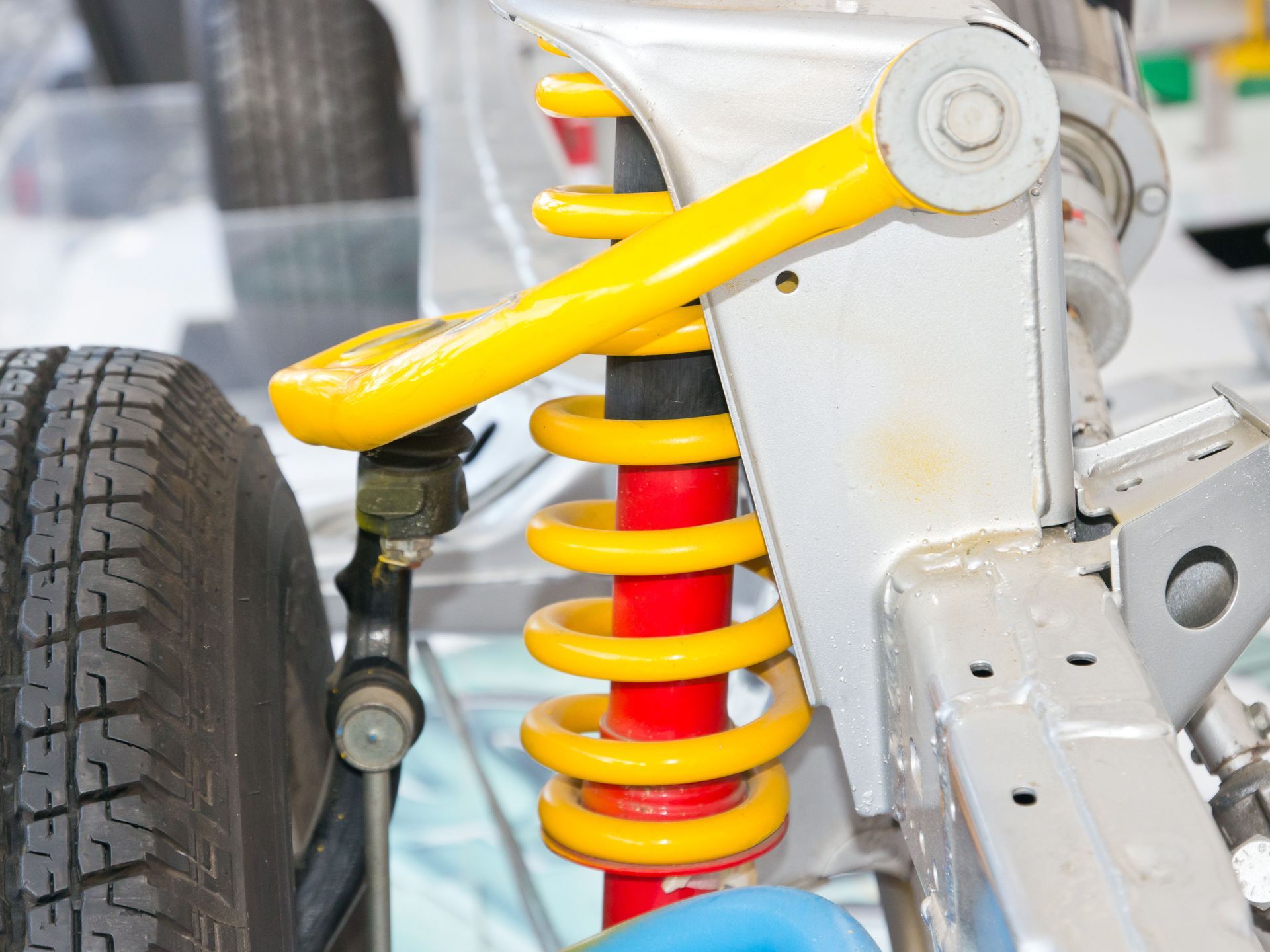
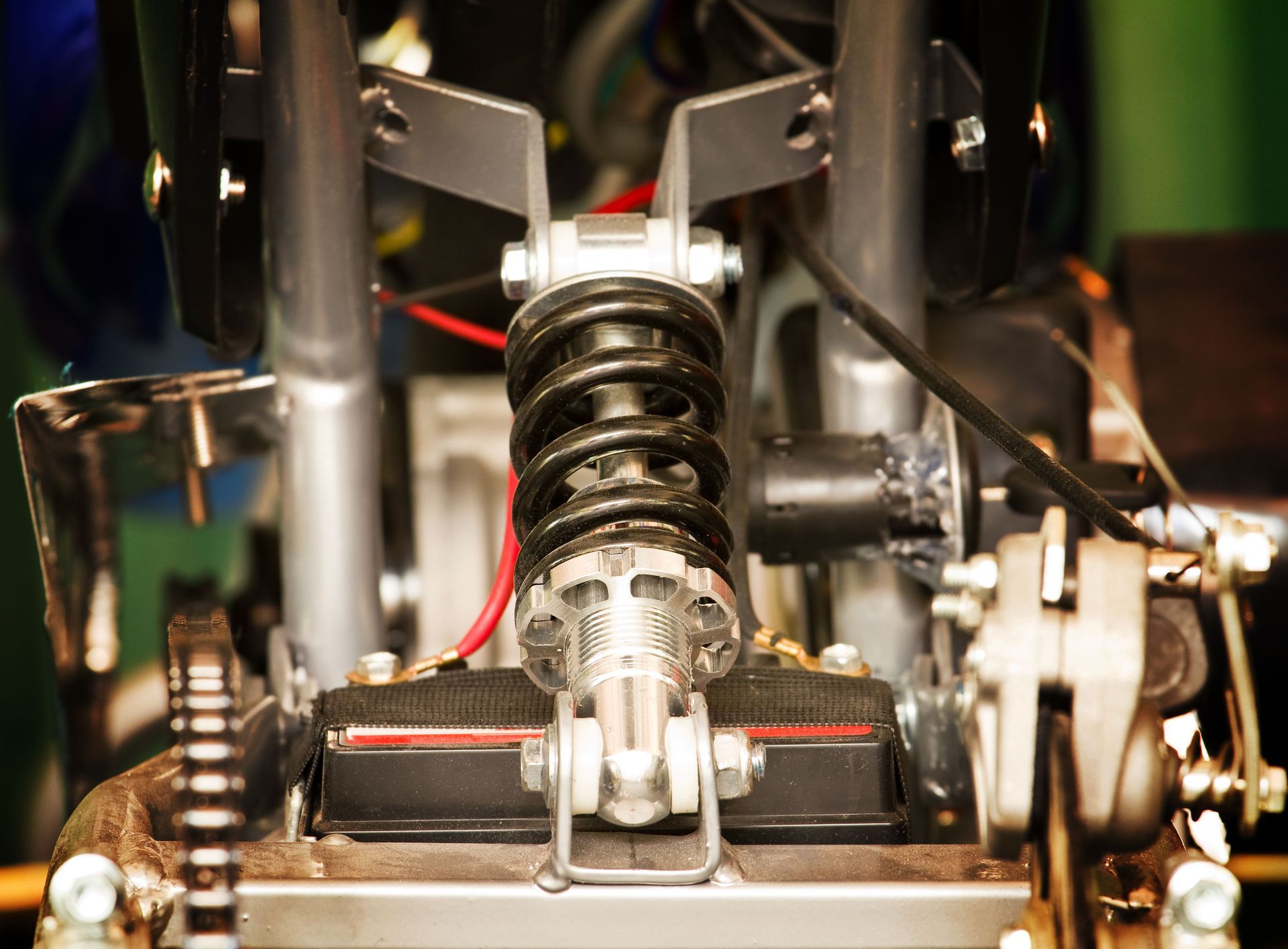
Tires and the suspension system work together to provide stability, comfort, and control while driving. Tires are the only point of contact between the vehicle and the road, making their condition extremely important for safety and performance. The suspension system includes shocks, struts, and springs, all of which help absorb road impacts and maintain smooth handling. When these components wear out, drivers may notice uneven tire wear, bouncing, or reduced steering control.
Proper tire inflation and regular rotation help extend tire life and improve fuel efficiency. Meanwhile, maintaining suspension components ensures a stable and comfortable ride, even on rough roads. High-quality auto parts in both tires and suspension systems are essential for maintaining vehicle safety and performance. In fact, many drivers underestimate how much these components influence braking distance, handling, and overall driving comfort. Well-maintained tires and suspension systems also reduce strain on other vehicle parts, making them a crucial part of long-term vehicle care.
Keeping a vehicle in excellent condition requires attention to the systems that do the most important work behind the scenes. From engine lubrication to braking performance and electrical reliability, each component plays a vital role in ensuring smooth and safe operation.
By understanding how these essential systems function, drivers can make more informed maintenance decisions and avoid costly repairs. Regular inspections and timely replacements go a long way in extending the life of any vehicle. Ultimately, investing in quality components and staying proactive with maintenance ensures a safer, more efficient driving experience for years to come.

Share On: