
6 Ways Coil Spring Manufacturers Extend the Life of Classic Cars
Coil springs play a pivotal role in ensuring the longevity and performance of vintage vehicles. These integral components absorb road shocks, maintain proper alignment, and ensure smooth driving experiences, which is essential for any vehicle, especially those cherished by automotive enthusiasts. According to American Collectors, any vehicle produced before the year 2000 is officially recognized as a classic car. These vehicles come with a unique set of challenges due to aging parts and outdated technologies that were common during their initial production. Innovations in spring design and the dedication of coil springs manufacturers have emerged as key solutions to these challenges.
1. Comprehend the Fundamentals of Suspension Systems
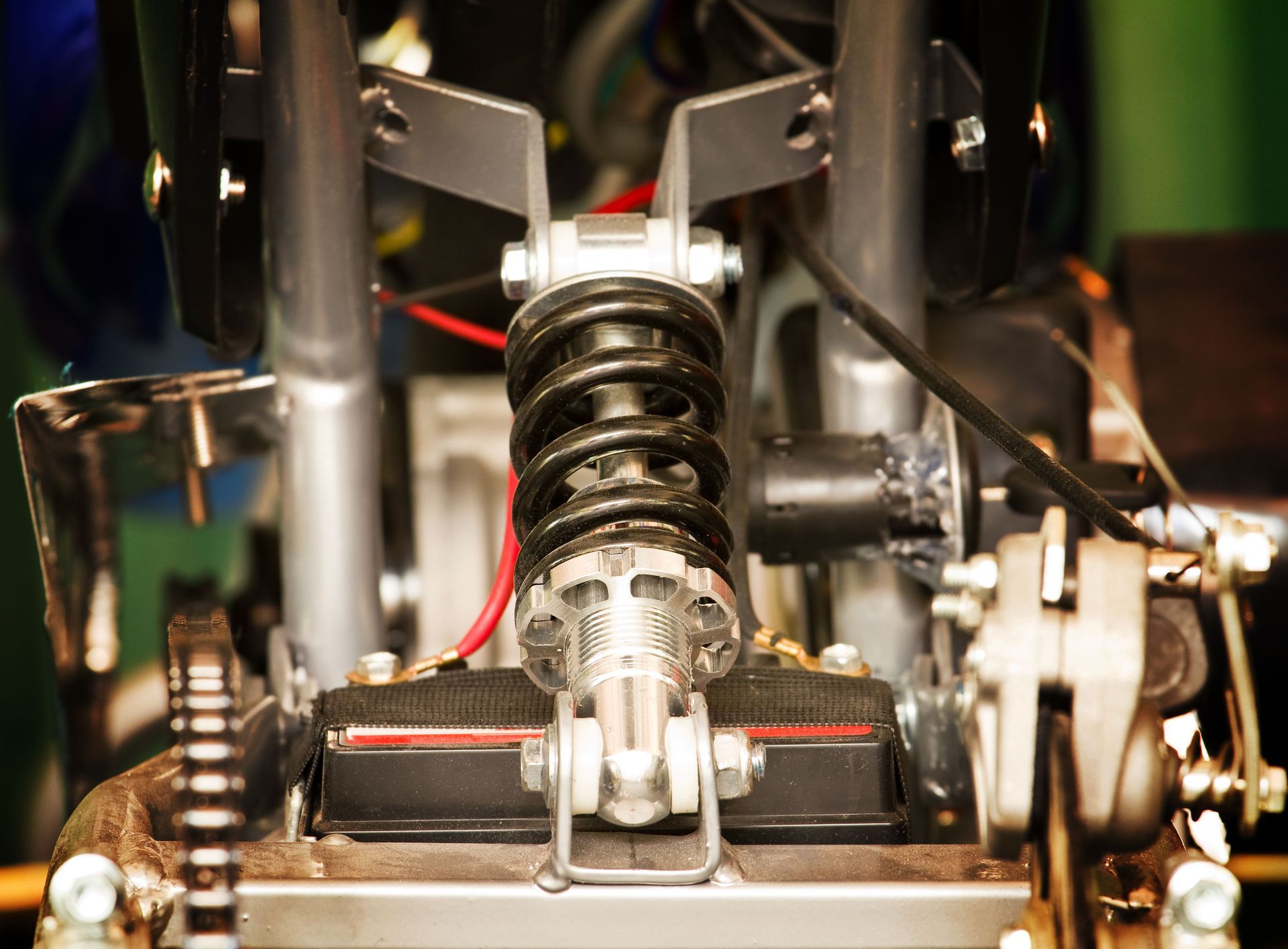
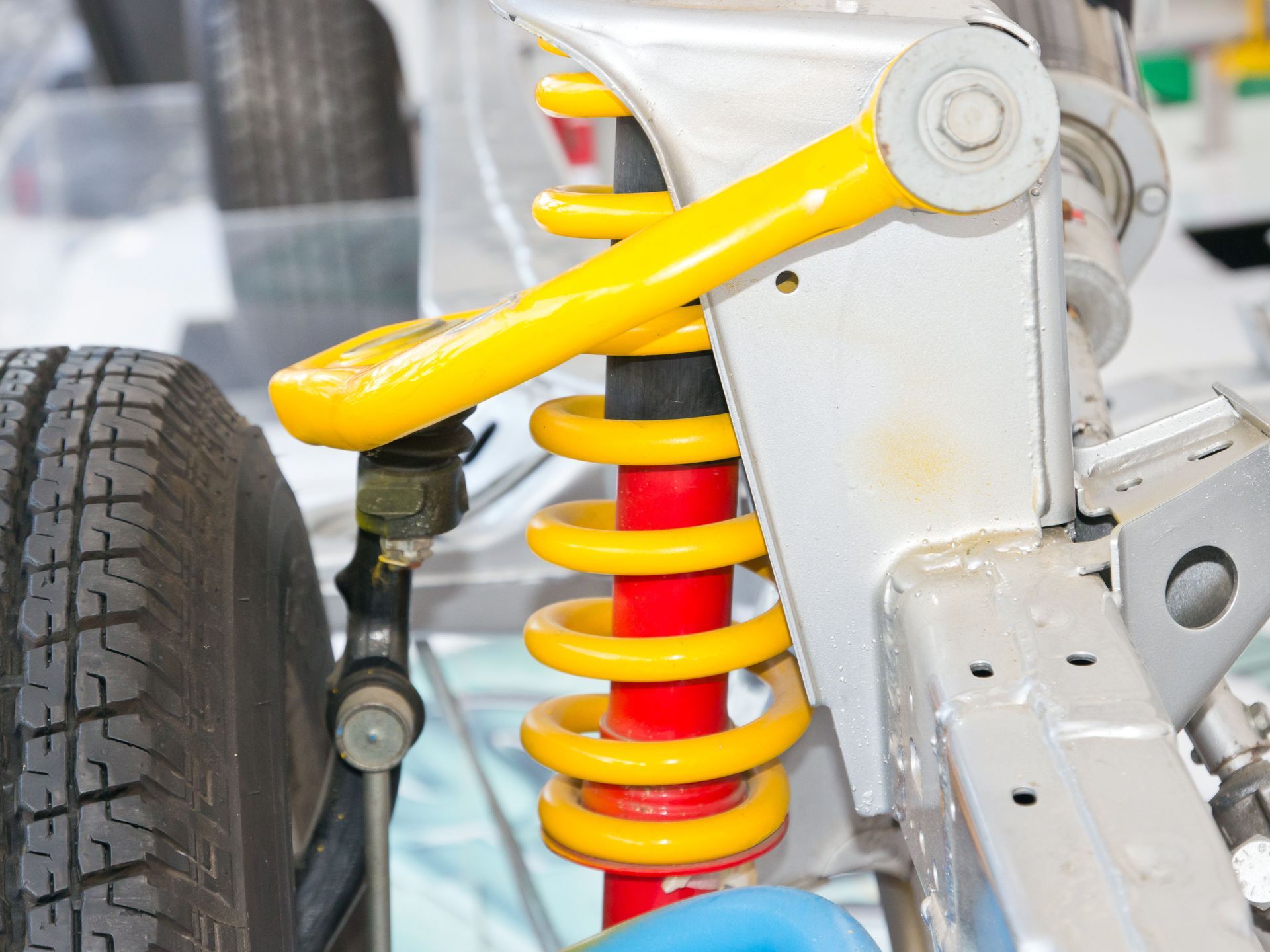
Coil springs are helical components made from metal and serve as crucial elements in a vehicle's suspension system. They are designed to compress and expand, absorbing the energy from road irregularities, which reduces the impact on the vehicle frame and its passengers. In addition to providing comfort, these springs help maintain vehicle stability and traction, contributing to the overall safety of the car on the road. For classic cars, having functional suspension components is even more critical as it ensures the vehicle retains its original ride quality and handling characteristics. The work of coil springs manufacturers ensures that these components are built to exact specifications, preventing the suspension system from becoming compromised.
These springs serve as a buffer between the road surface and the frame of the vehicle, playing a fundamental role in how the car manages weight. They facilitate the conversion of energy from the suspension movement into physical comfort, as they absorb and release kinetic energy smoothly and predictably. This process not only preserves the integrity of other mechanical components but also ensures that passengers experience a comfortable ride even on uneven surfaces. In vintage cars, this becomes especially important because the metal components tend to corrode over time, leading to decreased performance and potential failure.
2. Employ Innovative Material Science Technologies
Recent advancements in material technology have led to the development of suspension components that are lighter yet more durable than those used several decades ago. High-grade alloys, such as those incorporating vanadium or silicon, are now commonly used by expert coil springs manufacturers to offer a superior blend of strength and flexibility. These materials dramatically enhance the performance and reliability of the vehicle, which is crucial for maintaining the functionality of older steering and suspension systems. The transition toward using advanced materials marks a significant leap in the capability of these parts to resist the metal fatigue that often plagues older, original equipment.
The durability of these components has been significantly enhanced through modern manufacturing processes and the use of refined chemical compositions. Advances in metallurgy and tempering techniques have allowed for better stress management and resistance to fatigue over long periods of use. Performance enhancements such as improved load distribution and shock absorption are achieved through optimized composition and heat treatment. For older vehicles, these improvements mean the springs not only last longer but also perform their function more effectively, maintaining the intended drive quality.
3. Provide Bespoke Customization Options
Customization plays a significant role in matching suspension parts to the specific requirements of different vintage vehicle models. Dedicated coil springs manufacturers must consider the vehicle’s original specifications, including weight distribution, ride height, and performance expectations, when designing or selecting replacements. By understanding these specific needs, they can offer solutions that not only fit but also enhance the functionality of the suspension without ruining the car's character. Custom springs may offer improved handling, comfort, and compatibility with existing vintage components, respecting the delicate balance between modernization and authenticity.
To accommodate the unique requirements of classic cars, specialized design adaptations are often employed, including adjustments in geometry like coil spacing and wire diameter. Customized springs provide tailored solutions that respect the balance of the original suspension system while offering modern enhancements that were not available when the car was first built. The result is an improvement in handling and comfort without deviating from the car’s authentic driving experience or visual profile.
4. Adopt Advanced Industrial Production Methods
Advancements in precision engineering have revolutionized the production of suspension parts, contributing significantly to the performance and reliability of modern replacements. The use of precision engineering techniques ensures that parts meet strict tolerance and quality standards, which is essential for the restoration of a high-value vintage machine. This includes computer-controlled machining processes and laser-guided measurements that minimize human error and maximize dimensional accuracy. Modern coil springs manufacturers utilize these technologies to guarantee consistent performance across different applications and vehicle models.
The integration of computer-aided design and manufacturing has significantly improved the design and production of these parts. These systems allow for complex geometric modeling, enabling the creation of springs that provide specific force and performance characteristics tailored to the weight of an older car. Automated production lines have driven substantial advancements by facilitating consistent product quality and providing the capability to scale production efficiently. By minimizing human intervention, automated systems reduce the risk of manufacturing errors, leading to a higher degree of repeatability and reliability.
5. Refine Geometric Configurations for Longevity
Recent innovations in geometry have significantly improved the performance characteristics of suspension components used in restorations. These adaptations include optimized coil winding patterns and variations in diameter or pitch to better distribute load and stress across the metal. Such design innovations contribute to enhanced ride comfort and stability, which are key considerations for the preservation of any historic vehicle. By tailoring parts to the unique layout of different models, specialized coil springs manufacturers can ensure that the structural dynamics are not compromised by heavy engines or heavy frames.
These components remain integral to a vehicle’s ability to handle weight and absorb shocks effectively over time. Innovations focused on load distribution and shock absorption improve automobile handling, offering smoother drives on various road conditions that might be more aggressive than those of the past. For older cars, preventing undue strain on aging structural components through effective load management helps extend the vehicle's operational lifespan significantly. New designs better absorb impact forces, prolonging vehicle longevity by protecting original frames from excessive vibrations and turbulence.
6. Analyze Emerging Shifts in Restoration Markets
The market for vintage vehicles continues to grow, with enthusiasts seeking ways to maintain and enhance their vehicles' performance and lifespan through better parts. As the number of vehicles entering the collector category expands, there is an increased demand for high-quality restoration and replacement parts. Leading coil springs manufacturers are answering this call by balancing the need for authentic driving experiences with the necessity of modern engineering advancements. Enthusiasts are often in pursuit of unique solutions that address both personal driving attitudes and preservation principles.
Emerging trends in technology are set to significantly influence the restoration landscape in the coming years. Future parts might incorporate smart materials and technology, such as adaptive systems capable of adjusting ride characteristics in real-time based on the road surface. Interest is also growing in environmentally sustainable solutions for materials and coatings, which could render these parts both durable and eco-friendly. These advancements could promote extended usability, aligning with the environmental consciousness prevalent among today's consumers and collectors.
Coil springs manufacturers play a vital role in the perseverance and enhancement of older automobiles, addressing numerous challenges associated with aging mechanical systems. By innovating in material technology, customization options, manufacturing processes, and design features, they ensure these vehicles are both enjoyable and reliable for future generations. The future promise of the restoration market depends on the continued development of high-quality components that respect the past while embracing the future. Contact us at Coil Spring Specialties to restore the ride quality and safety of your vintage vehicle.

Share On: